
Table of Contents
ToggleA 4 piece patio furniture set is the sweet spot for most backyards, spacious enough to accommodate conversation and entertaining, compact enough to fit tight corners without overwhelming the landscape. Whether you’re upgrading a cramped balcony, filling a modest patio, or creating a cohesive outdoor room, understanding your options and measuring twice before you buy saves frustration (and money) down the road. This guide walks through the fundamentals: what makes a 4 piece set, the materials that hold up, how to size your space, and what to look for when shopping so your outdoor seating actually works for how you live.
Key Takeaways
- A 4 piece patio furniture set typically includes a sofa or loveseat, one or two accent chairs, and a coffee or side table, making it ideal for small gatherings without overwhelming tight spaces.
- Measure your actual patio dimensions and check individual piece specifications—seat depth, chair height, and sofa length—before buying to ensure comfort and proper fit.
- Aluminum frames with powder-coated finishes and synthetic wicker (PE or polyrattan) offer the best balance of durability and low maintenance for most climates.
- Invest in high-performance cushions and covers like Sunbrella fabric to protect against UV fade and mildew, and budget $200–500 for quality cushions that last 3–5 seasons.
- Plan for a 4 piece patio furniture footprint of roughly 8×8 to 10×10 feet with at least 18–24 inches around the perimeter for foot traffic and a non-cramped feel.
- Simple seasonal maintenance—rinsing, protective sealing every 1–2 years, and checking fasteners—can extend your patio furniture’s lifespan from 5 to 10+ years.
What Is a 4 Piece Patio Furniture Set?
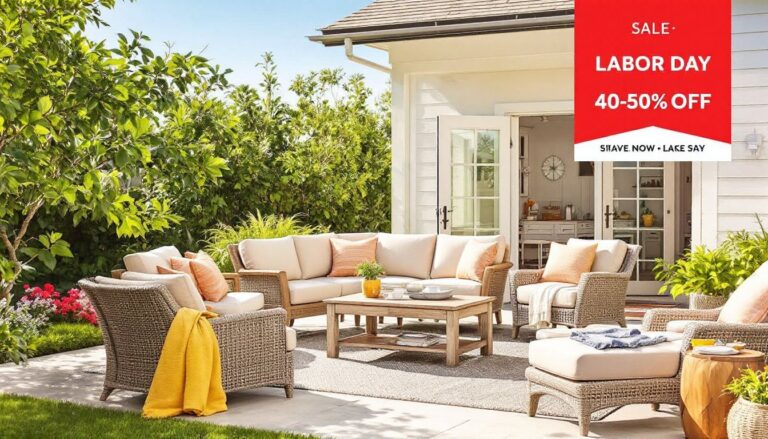
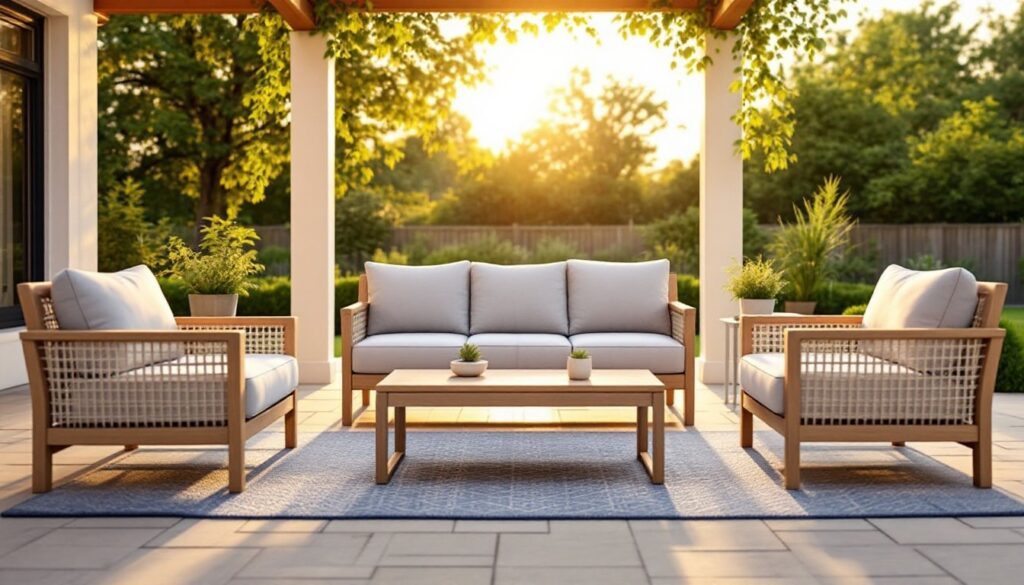
A standard 4 piece patio furniture set typically includes a loveseat or sofa, one or two accent chairs, and a coffee table or side table. Some versions swap the sofa for a pair of larger chairs plus a smaller seating piece. The configuration is flexible because manufacturers recognize that not every patio layout is the same.
What matters is that a 4 piece arrangement covers the basics of outdoor entertaining: enough seating for small gatherings, a surface for drinks and snacks, and a footprint that fits a typical residential patio or deck without monopolizing the entire space. The beauty of the 4 piece format is that it’s modular enough that you can add or rearrange pieces as your needs change, and it’s not so large that you’ll feel cramped on a modest lot.
When shopping, pay attention to actual dimensions, not marketing descriptions. A sofa marketed as “spacious” might still be 72 inches long, you need to verify seat depth, arm height, and overall width before assuming it’ll work.
Popular Styles and Materials for Outdoor Seating
Outdoor furniture materials fall into a few reliable categories, each with real trade-offs in durability, maintenance, and aesthetics.
Metal, Wicker, and Wood Options
Aluminum frames are lightweight, rust-resistant, and hold up well in coastal and wet climates. They’re often paired with cushions or sling fabric for comfort. Look for powder-coated finishes, they resist weathering better than bare metal. Aluminum won’t rot like wood, but it can still dent if you bang it around.
Wrought iron or heavy steel looks striking and feels substantial, but it’s prone to rust unless it’s powder-coated or regularly maintained. If you live near salt water or in humid climates, the upfront cost of a quality finish is worth it: cheap wrought iron becomes a eyesore fast.
Wicker (synthetic resin-based, not natural rattan) is soft-looking, weather-resistant, and pairs well with cushions. PE wicker and polyrattan hold up better than natural rattan outdoors. Inspect the weave for loose strands before buying, and plan for occasional rinsing to prevent mildew buildup in humid areas.
Teak and other hardwoods are naturally weather-resistant and age beautifully with a silver-gray patina. They’re expensive and require annual oiling to maintain color, but they last decades and don’t rot easily. Softwoods like pine or cedar are cheaper but need more frequent sealing, typically every 1–2 years, or they’ll weather unevenly and splinter.
Consider Home Styles Furniture options to see how different materials perform in real-world layouts. Quality matters more than material alone: a well-made aluminum set outlasts a cheap teak frame.
How to Measure and Plan Your Space
Before you shop, grab a measuring tape and spend 15 minutes documenting your patio. Measure the full width and depth, then identify fixed obstacles: doors, steps, planter boxes, grills, and shade structures. Sketch a rough overhead view or use a simple grid on graph paper, it doesn’t have to be pretty, just accurate.
For a 4 piece set, plan for a “footprint” of roughly 8–12 feet by 6–10 feet, depending on your exact pieces and how tightly arranged you want them. A sofa and two chairs with a table in the center typically occupy an 8×8 or 10×10 space. Leave at least 18–24 inches around the perimeter for foot traffic and to avoid a cramped, cluttered feel.
Measure ceiling height or overhead space, too. If you’re under a pergola or covered patio, account for how a tall back chair or umbrella might block sightlines. Once you’ve mapped the space, measure the individual piece dimensions from the retailer: actual seat depth (usually 24–32 inches), chair back height (28–36 inches), and sofa length (60–84 inches). These aren’t just numbers, they tell you whether you’ll sink into the seat comfortably or whether your feet dangle.
Check what best outdoor patio furniture sets include in their sizing guidance: many include actual measurements and placement tips for 4 piece configurations.
Key Factors to Consider Before Buying
Once you’ve sized your space and narrowed your material preferences, a few deeper questions will save regret.
Durability, Comfort, and Weather Resistance
Cushions and covers are your first line of defense against UV fade and mildew. High-performance fabrics (like Sunbrella or similar solution-dyed acrylic) resist fading far better than basic poly-cotton blends. If cushions aren’t included, budget an extra $200–500 for quality outdoor cushions that’ll last 3–5 seasons instead of falling apart in one. Store or cover cushions in off-season or heavy rain if you live in a humid climate.
Frame joints and fasteners matter tremendously. Welded joints are stronger than bolted ones for metal frames: mortise-and-tenon or dowel joinery beats butt joints in wood. Stainless steel or galvanized fasteners resist rust better than plain steel bolts, especially if you live somewhere damp.
Weight and stability aren’t trivial. A heavier frame (within reason) usually signals better materials and construction. Lightweight furniture can tip in wind if you’re in an exposed spot. Check if the set includes anchor points or can be weighted down.
Warranty and customer support reveal how confident the manufacturer is. A 1-year finish warranty is basic: a 5-year structural warranty suggests they expect the piece to last. Read the fine print, some warranties only cover factory defects, not weathering or damage from normal use.
You’ll see comparisons emphasizing style, but outdoor living design principles remind us that furniture must also function. A beautiful set that falls apart in two seasons isn’t a bargain. Look for reviews from people who’ve used the set for at least a season in conditions similar to yours.
Maintenance and Care Tips for Long-Term Use
The difference between a 5-year patio set and a 10-year one often comes down to basic care, not anything complicated or time-consuming.
Rinse and clean seasonally. Use a soft brush and mild soap (no harsh solvents on wicker or wood) once or twice a season. Pay special attention to crevices and joints where mildew starts. Rinse thoroughly and let pieces dry completely before storing or using again.
Protect the finish. For wood, apply a marine-grade sealer or oil every 1–2 years depending on your climate and how much direct sun and rain the furniture takes. For metal, inspect powder-coated finishes for chips or rust spots: a small touch-up with spray paint designed for outdoor metal prevents rust creep. Wrought iron needs more vigilance in humid areas.
Store or cover off-season. If winters are harsh where you live, store cushions indoors and consider covering the frame with a fitted tarp designed for patio furniture. Excess weight from snow or ice can damage joints. In mild climates, a quality furniture cover ($50–150) extends the life of the finish dramatically.
Check fasteners annually. Bolts and screws loosen with use and weather cycling. A quick tightening pass in spring keeps the structure stable and prevents wobbling that stresses joints.
These steps aren’t exciting, but they’re the difference between furniture that looks tired after one season and pieces that look intentional and well-loved for years. Explore modern home design ideas to see how maintained outdoor furniture anchors the entire backyard aesthetic.
Buying a 4 piece patio set is a modest investment, but it’s one you’ll use every warm season. Measure your space carefully, understand your material options, and choose pieces built to last in your specific climate. The right set feels natural in your space and becomes the backdrop for the entertaining and relaxing you actually do outdoors.