




Table of Contents
ToggleScoring a quality living room furniture set without dropping a month’s salary is becoming less of a unicorn sighting and more of a legitimate possibility, especially when you know what to hunt for. Whether you’re furnishing a new place, refreshing tired décor, or looking for cheap furniture living room sets that don’t feel disposable, 2026 is shaping up to be a solid year for deals. The key isn’t just finding marked-down prices: it’s identifying which discounts actually represent real value and which ones are just clearance noise. This guide walks you through seven standout living room furniture sets currently on sale, plus the practical strategies to spot a real deal versus a setup that’ll fall apart in two years.
Key Takeaways
- Quality living room furniture sets on sale don’t sacrifice durability if you prioritize hardwood frames and proper spring systems like eight-way hand-tied springs over cheap particle board construction.
- Allocate 40–50% of your furniture budget to the sofa as your anchor piece, then invest remaining funds in pieces with proven construction details that resist sagging and warping.
- Modern sets offer 25–40% discounts with trendy minimal designs, while traditional collections provide solid value at 15–30% off with longer-lasting appeal and deeper seat comfort.
- Measure your space precisely and request fabric swatches before purchasing—a beautiful sale piece that doesn’t fit your doorways or matches your lighting becomes an expensive return, not a bargain.
- Compare construction quality and total costs including delivery and assembly rather than focusing on price tags alone; a well-built $1,200 sofa outperforms a flimsy $600 option by years.
What to Look For in a Living Room Furniture Set
Before chasing a price tag, nail down what actually matters for your space and lifestyle. A solid living room furniture set typically includes a sofa, loveseat or accent chair, coffee table, and media console, but the mix varies by layout and household needs.
Frame and construction quality tops the must-check list. Look for hardwood frames on upholstered pieces: engineered wood is lighter on the wallet but won’t hold up as long under daily use. Inspect the joints, they should be reinforced, not just stapled. Ask the retailer about frame warranty: anything less than five years suggests corners were cut.
Fabric or leather choice dictates durability and maintenance. Microfiber handles spills better than linen for families with kids or pets. Leather requires conditioning but lasts decades if you treat it right. Performance fabrics, designed to resist staining, cost a bit more upfront but save headaches (and dry cleaning bills) later.
Seating comfort is personal, but test it if possible. Sit, recline, curl up for a few minutes. Seat depth matters: standard is around 36 inches, but deeper seats feel like sinking into a cloud while shallower ones suit smaller frames. Cushion firmness depends on your preference, but mediocre padding flattens fast.
Proportions to your room can’t be overlooked. Measure your doorways, hallways, and the actual floor space before buying. A sectional that looks perfect in the showroom can become an immovable sculpture in a narrow entryway. Depth from wall to arm’s edge is critical for small living rooms.
Top Styles and Designs Discounted Right Now
Sale cycles tend to follow design trends. Right now, two aesthetics dominate the discounted furniture market, each with its own strengths and appeal.
Modern and Contemporary Sets
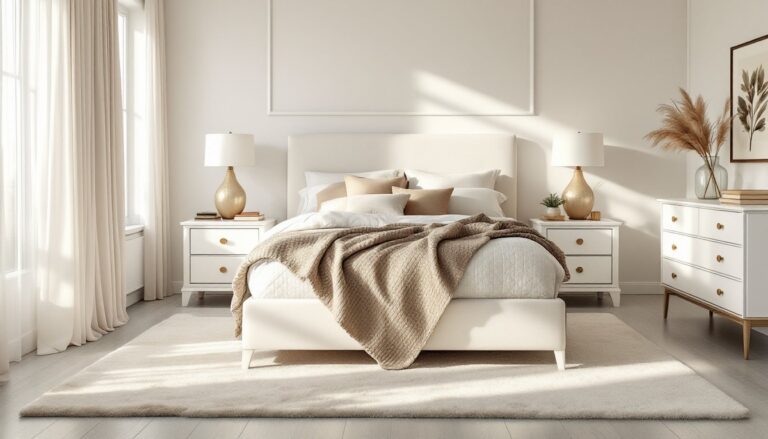
Clean lines, low-profile frames, and neutral palettes are the calling card of modern living room sets. These pieces prioritize minimalism and function, which means less visual clutter and easier rearranging. Retailers are clearing stock in grays, taupes, and creams, safe colors that pair with any décor shift down the road.
Modern sets often feature lower seating heights and tighter cushioning, which works well in urban apartments and open-concept homes. Many contemporary pieces use metal legs and simple silhouettes that read expensive even when on sale. Look for sets with modular components: you can swap in new accent pillows or swap out seating if your needs change, rather than replacing the whole thing.
Sales on modern sets are especially deep right now because retailers are pushing inventory to make room for spring designs. Expect 25–40% off comparable full sets if you’re hunting now.
Classic and Traditional Collections
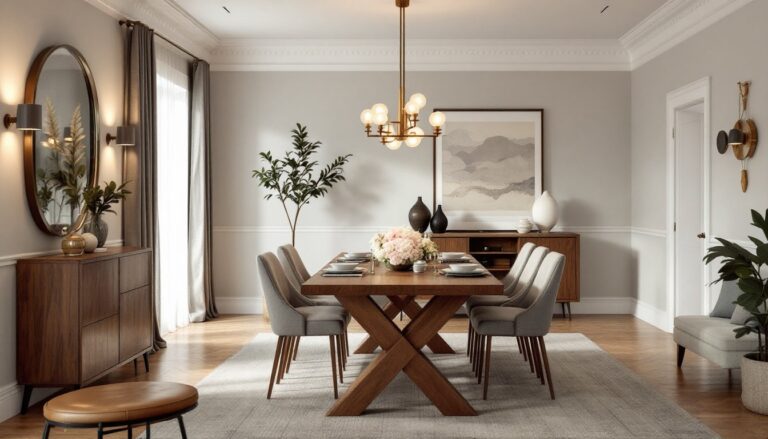
Traditional living room sets lean into rolled arms, button tufting, and deeper seat frames. These pieces feel settled and formal, which suits larger homes and classic color schemes (think burgundy, navy, forest green). They’re less trendy, which means they hold their appeal longer, and they’re often deeper in the discount bins because they move slower.
Classic sets pair beautifully with model home furniture for sale if you’re upgrading an older home or want a cohesive, designed look. Because traditional styles aren’t chasing fast-moving trends, the quality can be solid even at sale prices. A traditional sectional or sofa with hardwood framing and eight-way hand-tied springs (a legitimate construction detail worth hunting for) will outlast many modern alternatives.
Discount rates on traditional sets run slightly lower, usually 15–30% off, but the per-piece value is often better. You’re not paying extra for trendy aesthetics.
How to Maximize Your Furniture Sale Budget
A sale price isn’t valuable if you blow your budget on the wrong pieces. Strategic shopping separates smart buys from impulse mistakes.
Start with your anchor piece. The sofa is typically your largest expense and the visual anchor of the room. Allocate 40–50% of your furniture budget here. A quality sofa on sale is worth securing before moving to secondary pieces like chairs and tables.
Prioritize hardwood frames and spring systems. These are the hidden costs of durability. Eight-way hand-tied springs or sinuous wire springs (both superior to bag springs) cost more upfront but mean your sofa won’t sag in year three. Hardwood frames resist warping: they’re worth the splurge even if it means buying fewer pieces initially.
Look for bundle deals, but do the math. Retailers often discount five-piece or seven-piece sets more aggressively than individual purchases. But, bundles sometimes include pieces you don’t need. Use a calculator: if the “bundle” price is lower than buying a sofa and one accent chair separately, it’s a win. If you’re paying for a coffee table or media console you’ll replace next year, pass.
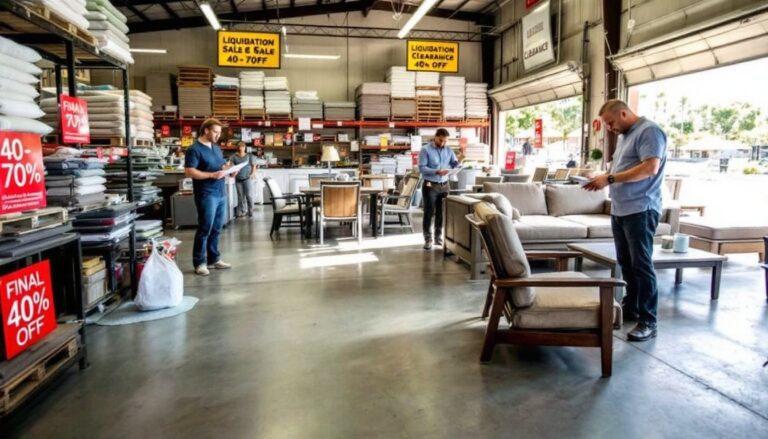
Hunt end-of-season and floor models. Furniture stores refresh displays every few months. Floor models are tested, not damaged, just tired from customers sitting on them. They typically carry 15–25% deeper discounts than standard sales. End-of-season clearance (January for winter, July for summer) is prime hunting ground.
Check return policies before swiping a card. A sale means nothing if you can’t return a sofa that doesn’t fit your room or has a defect. Retail return windows are shrinking: many sale items have 30-day limits instead of 60 or 90. Read the fine print on fabric snagging, scratches, or changes due to color shifting under different lighting.
Common Mistakes to Avoid When Buying on Sale
Sale shopping triggers impulse decisions. Avoid these frequent pitfalls that leave buyers with regrets and credit card debt.
Ignoring delivery and assembly costs. A sofa priced at $600 becomes a $750 commitment after $150 delivery and assembly. Some retailers waive delivery on purchases over a certain amount: others charge extra for white-glove service (which is worth it if you live on the third floor). Factor these into your true budget before comparing prices online versus in-store.
Skipping the fabric swatch test. Screen colors and showroom lighting distort how fabric actually looks in your home. Most retailers offer free swatch samples. Order them and live with them for a week under your actual lighting. That sale sofa in “ivory” might look yellow in your living room with afternoon sun.
Buying a set that doesn’t fit your space. Measure twice, buy once. Account for doorways, hallways, and ceiling height (high-back sectionals can feel oppressive in rooms with 8-foot ceilings). Draw a floor plan to scale using graph paper or a phone app. A set that doesn’t physically fit isn’t a bargain, it’s an expensive return.
Confusing cheap with value. Rock-bottom prices often signal particle board frames, thin polyurethane foam, and fabrics prone to pilling. These pieces feel fine for three months, then deteriorate. Compare specific construction details, not just price. A $1,200 sofa with a hardwood frame, eight-way springs, and performance fabric beats a $600 sofa with a plywood frame and low-density foam every single time.
Neglecting your existing décor. A stunning sale sectional in deep teal only works if your walls, flooring, and lighting support it. Consider your existing rugs, curtains, and art. If the furniture requires you to redo your entire room, the “deal” isn’t as sweet. Neutral, versatile pieces from resources like Apartment Therapy give you more flexibility for longer.
Conclusion
Finding living room furniture sets on sale requires patience, measurement, and resistance to shiny-object syndrome. Focus on frame quality, test comfort in person, and verify dimensions before committing. Whether you’re drawn to cheap furniture living room sets for budget reasons or hunting high-value traditional pieces, the same rules apply: know what you need, understand construction quality, and avoid common pitfalls. The best deal isn’t the lowest price, it’s the piece that fits your space, matches your style, and lasts long enough to justify its cost.