

Table of Contents
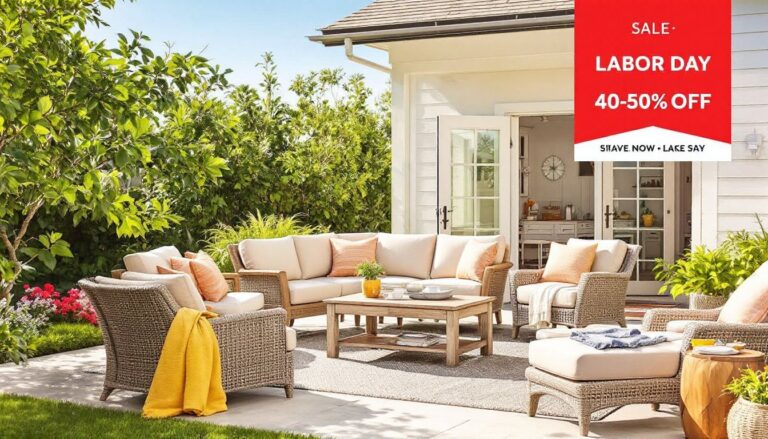
ToggleA patio sectional sofa transforms an outdoor space from empty concrete into an actual living room. Unlike traditional outdoor seating, a sectional patio furniture arrangement gives you flexibility to fit any yard shape, seat more people comfortably, and define your entertaining zones without built-in concrete or decking. Whether you’re working with a small apartment patio or a sprawling backyard, understanding what makes a good outdoor sectional sofa means the difference between an Instagram-worthy setup that falls apart in one season and reliable furniture that actually serves your family for years. This guide walks you through everything you need to know to pick the right sectional outdoor patio furniture for your space.
Key Takeaways
- A patio sectional sofa maximizes seating while minimizing space, offering flexible reconfiguration for any yard shape and layout.
- Choose between three main frame types—aluminum (affordable, rust-resistant), teak or hardwood (premium, long-lasting), and woven rattan or wicker (comfortable, mid-range)—based on your climate and maintenance commitment.
- Measure your patio twice and use cardboard templates to test your sectional outdoor sofa layout before purchasing, leaving at least 2 feet of walking space on all sides.
- Solution-dyed acrylic cushions like Sunbrella resist mildew and fading better than polyester blends, and storing cushions indoors during off-season prevents fabric and foam rot.
- Annual maintenance—including spring hose-downs, frame oiling for wood, hardware tightening, and cushion rotation every 2–3 months—extends your sectional patio furniture’s lifespan by years.
- Select a design style (modern, rustic, or transitional) and color palette that complements your home’s architecture while balancing aesthetics with practical durability for outdoor entertaining.
Understanding Patio Sectional Sofas
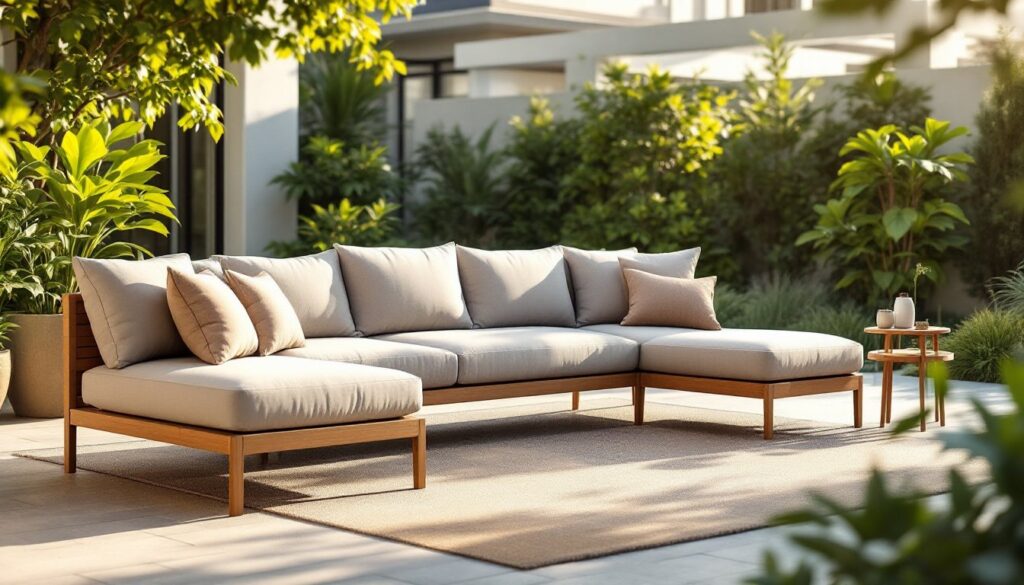
A patio sectional sofa is an outdoor furniture arrangement made up of modular pieces, typically a corner unit, armless center pieces, and end chairs, that connect to form an L-shape, U-shape, or custom configuration. Unlike a fixed patio furniture couch, sectional outdoor sofas let you reconfigure based on your needs. Need a sleeping surface for guests? Push pieces together and add outdoor cushions. Want to face a fire pit? Rearrange without tools.
The appeal is simple: patio furniture sectionals maximize seating while minimizing footprint. A sectional outdoor sofa costs less per seating position than individual chairs and lets you fill awkward corners or wrap around an existing table. Trade magazines and design websites point out that modular designs also solve the “dead space” problem many homeowners face with traditional outdoor furniture layouts.
Before diving into shopping, recognize that sectional patio furniture comes in three broad frame types: aluminum (lightweight, rust-resistant, affordable), teak or hardwood (premium look, requires maintenance), and woven rattan or wicker (comfortable aesthetics, weather-dependent durability). Each has trade-offs in price, maintenance, and lifespan.
Key Factors to Consider Before Buying
Size and Space Planning
Measure your patio twice before committing to any patio furniture sectional sale offer. A sectional outdoor patio furniture purchase often can’t be returned or refunded once delivered. Start by identifying the dimensions of your usable patio space, account for walking paths, grills, tables, and planters.
Standard sectional patio furniture sets break down into modular units: corner pieces run 30–36 inches deep, end chairs 28–32 inches, and armless center cushions 24–30 inches wide. A basic L-shaped sectional might occupy 8 feet by 10 feet when fully extended. If your patio is smaller, look for sectional outdoor sofas with fewer modules or corner lounges paired with individual accent chairs instead.
Leave at least 2 feet of walking space on all sides. A tight, cramped outdoor sectional feels awkward and becomes a tripping hazard when you’re carrying drinks or food. Pro tip: Cut cardboard templates matching the footprint of patio furniture sectional sets you’re considering, arrange them on your patio, and walk around the layout. This takes 15 minutes and prevents the “Oh no, it doesn’t fit” moment when delivery trucks arrive.
Materials and Weather Resistance
Your material choice determines how often you’ll be refinishing, repainting, or replacing cushions. Aluminum frames are entry-level durable. They don’t rust, weigh less for rearranging, and are affordable, expect $1,500–$4,000 for a complete sectional outdoor sofa. The catch: cheaper aluminum can feel thin and wobble over time. Look for powder-coated finishes, which resist UV fading better than paint alone.
Teak or hardwood frames are the premium option. Teak naturally resists rot, insects, and weathering due to high oil content. A quality teak patio furniture couch set costs $3,500–$8,000 or more but lasts 10–15 years with minimal fuss beyond annual oiling. Other hardwoods like acacia or eucalyptus are cheaper alternatives ($2,000–$5,000), but they’ll gray and require more frequent sealing to prevent splintering.
Wicker or rattan sits in the middle price range ($1,800–$5,500 for patio furniture sectional sets). Hand-woven wicker looks great and feels inviting, but inspect the weave closely, dense, tight patterns hold up better than loose construction. All-weather wicker (synthetic resin-woven over aluminum frames) outperforms natural rattan in humid climates.
Cushion fabric matters as much as the frame. Solution-dyed acrylic (like Sunbrella) resists mildew and fading and costs $80–$150 per cushion. Polyester blends are cheaper but fade faster and absorb moisture. Always store cushions indoors during off-season or cover them with breathable storage boxes, sitting water rots fabric and foam in weeks, even on premium materials.
Beyond the frame and cushions, consider how you’ll clean and maintain your outdoor sectional patio furniture. Aluminum and resin wicker handle hose-downs fine. Teak and hardwood can take water, but standing moisture and heavy scrubbing can damage finishes. Factor maintenance time and costs into your decision.
Design Styles and Aesthetic Options
Style choices for patio furniture couch sets range from contemporary minimalism to rustic farmhouse, and your outdoor sectional sofa should complement your home’s existing architecture and your personal taste.
Modern and contemporary sectional patio furniture features clean lines, neutral cushion colors (grays, blacks, taupes), and streamlined frames. Aluminum bases with high-back or low-profile cushions work well here. This approach works for urban patios, modern homes, and anyone who wants a sophisticated entertaining space that doubles as a visual anchor.
Rustic or farmhouse patio furniture sectional styles lean into natural wood, warm earth tones, and heavier proportions. Teak or acacia frames paired with cream or tan cushions create an inviting, relaxed vibe. This fits properties with established gardens, traditional architecture, or coastal/cabin aesthetics.
Transitional patio furniture couch designs blend modern function with classic comfort, think cushioned sectional outdoor sofas with minimal ornamentation. These are versatile workhorses that complement a range of home styles without feeling trendy or dated.
Color and texture matter more outdoors than indoors because sunlight, shadows, and foliage create dynamic backdrops. Lighter cushion colors (cream, light gray, white) reflect heat and show dirt easily: darker colors hide stains but absorb heat. Patterned cushions hide wear better than solids and add visual interest, but bold patterns date faster. Many design-focused homeowners explore patio furniture inspiration across platforms to balance personal style with practical durability.
Also consider how your outdoor sectional patio furniture integrates with other elements: throw pillows, outdoor rugs, shade structures, and ambient lighting. A cohesive outdoor room feels intentional and inviting, not like random furniture scattered on concrete.
Maintenance and Care Tips
Buying a sectional outdoor sofa is only half the battle. Regular care extends its lifespan and keeps it looking new.
Seasonal cleanup starts with a simple hose-down in spring and fall. Use a soft brush or low-pressure nozzle, high-pressure washers can degrade finishes and force water into frame joints. For stubborn stains on cushions, mix warm water with mild dish soap, scrub gently with a soft-bristled brush, and rinse thoroughly. Air-dry cushions in sun: moisture trapped underneath leads to mildew.
Frame maintenance depends on material. Aluminum frames need occasional rinsing to remove dust and pollen. Powder-coated surfaces don’t require refinishing unless chipped or scratched, touch up small damage with matching paint to prevent rust. Teak and hardwood frames benefit from annual oiling with marine-grade teak oil (spring is ideal). Apply with a brush, let soak for 10–15 minutes, then wipe excess. This keeps wood from drying, graying, and splintering. Wicker or rattan doesn’t need oil, but inspect weave annually for loose strands or fraying, trim loose pieces and apply a clear finish if sections begin to unravel.
Cushion rotation extends fabric life. Flip and rotate cushions every 2–3 months so wear distributes evenly. Store cushions indoors or in covered bins during winter or extended rainy seasons, never leave them sitting on the ground or stacked where water pools underneath.
Rust prevention on metal fasteners matters more than people think. Bolts and screws on aluminum or steel frames can rust even if the frame doesn’t. Every spring, tighten all hardware and check for corrosion. Replace any rusted bolts immediately before they seize.
Inspection and repairs catch small problems before they become major failures. Check cushion seams, frame welds, and connection points annually. Tightening hardware and addressing minor wear prevents wobbling and extends the useful life of patio sectional furniture significantly. A wobbly section is dangerous and uncomfortable and often signals loose fasteners, not structural damage.
Conclusion
Selecting the right patio furniture sectional sale or new investment depends on honest assessment of your space, climate, and maintenance capacity. Measure carefully, understand material trade-offs, and choose a style that fits your home’s character. A well-chosen outdoor sectional patio furniture arrangement becomes the heart of your entertaining space, one you’ll actually use and enjoy for years. Start with a clear budget, prioritize durability over the latest trend, and commit to seasonal upkeep. Your future self will thank you when you’re hosting gatherings on comfortable, intact furniture instead of replacing pieces every few years.