






Table of Contents
TogglePatio furniture liquidation sales are one of the best-kept secrets for scoring high-quality outdoor pieces at 40–70% off retail. Whether you’re outfitting a new deck, refreshing a tired backyard, or just hunting for value, liquidation inventory offers legitimate savings without the catch of damaged goods or outdated styles. The trick isn’t luck, it’s knowing when and where to look, what separates a genuine deal from a dud, and how to make smart buying decisions so you don’t end up with wobbly chairs or faded cushions. This guide walks you through the liquidation landscape in 2026, so you can fill your patio without emptying your wallet.
Key Takeaways
- Patio furniture liquidation sales offer genuine discounts of 40–70% off retail because retailers clear overstock quickly to free up warehouse space and improve cash flow.
- The best timing for patio furniture liquidation deals is late August through October and January–February, when retailers need to clear seasonal inventory before new stock arrives.
- Inspect joinery, materials (teak, Polywood, and pressure-treated wood), and hardware carefully—cosmetic flaws are acceptable, but structural issues like rust, bent frames, or gaps in joints signal poor quality.
- Set a realistic budget and create a wish list before shopping to avoid impulse purchases, and always measure your patio space to ensure pieces fit your actual needs.
- Maximize savings by bundling multiple pieces together, checking shipping costs upfront, shopping mid-week auctions with fewer bidders, and buying from liquidators with transparent return policies.
- Quality wins over quantity—one high-end patio set beats multiple mediocre pieces, and pieces from reputable liquidation sources will provide better long-term value and durability.
What Is Patio Furniture Liquidation and Why It Happens
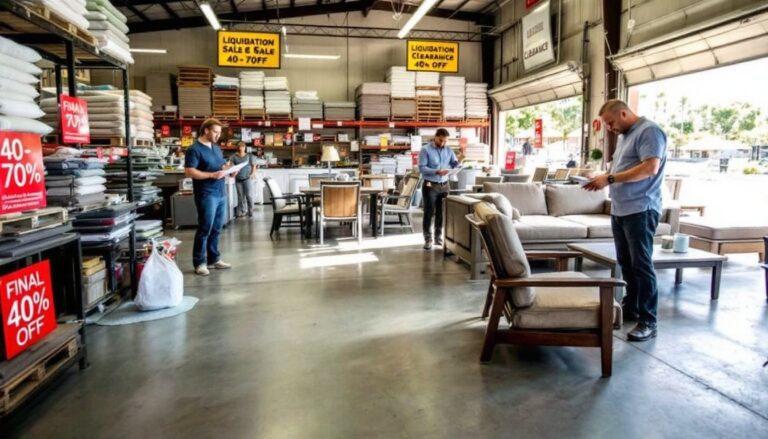
Liquidation sales occur when retailers, manufacturers, or wholesalers need to clear inventory quickly, whether due to overstocking, seasonal turnover, store closures, or discontinuation of product lines. Unlike clearance sales, which mark down slow movers over weeks, liquidation is intentional bulk dumping, often at auction or through specialized liquidation companies.
Retailers face real pressure to move stock. A furniture store closing a location, a manufacturer phasing out a collection, or a big-box retailer adjusting inventory after poor sales all trigger liquidation events. The result is genuine discounting. Warehouse overstock, returned items in resalable condition, and floor models frequently end up in these sales.
Why should you care? Because patio furniture carries high margins: a retailer selling at 50% off still makes a profit if they bought wholesale. That margin is where your savings live. The catch: liquidation sales run fast, inventory is limited, and returns are often final. You need speed, knowledge, and realistic expectations.
Best Times and Places to Find Liquidation Sales
Seasonal Timing for Maximum Savings
End-of-season sales (late August through October and again in January–February) are your best windows. Retailers need shelf space and cash flow: they liquidate summer furniture before fall inventory arrives and winter stock before spring hits.
Back-to-school sales, holiday clearance events, and the post-holiday slump (January) also trigger aggressive markdowns. Watch for store closures and chain bankruptcies announced in news, these lead to region-wide liquidation events within 4–8 weeks. Sign up for email alerts from major furniture retailers: many announce flash liquidation sales 48 hours before they go live.
Where to Shop for Liquidation Inventory
Specialized liquidation retailers like Wayfair Clearance, Article Outlet, and Overstock Clearance curate overstock from multiple brands. These sites update frequently, so check multiple times per week. Auction sites like Facebook Marketplace, Craigslist, and OfferUp feature both commercial liquidation and estate sales, often locally, with pickup options.
Direct-from-manufacturer outlet stores (Yardbird, Polywood, and Kingsley Bate occasionally run factory closeouts) offer authentic deals on their own brands. Costco, Sam’s Club, and big-box retailers host seasonal liquidation events in their warehouses: members-only pricing accelerates clearance.
Local furniture liquidation companies, search “furniture liquidation [your city]”, often buy commercial and residential lots and resell at discounts. For high-end patio sets, check Southern Living for design inspiration before shopping, so you know what quality looks like.
Thrift stores, estate sales, and auctions sometimes yield vintage or mid-century patio pieces. These require patience and a trained eye but can yield collector-grade finds at steep discounts.
How to Spot Quality Furniture and Avoid Common Pitfalls
Not all liquidation inventory is equal. Pre-purchase inspection separates regret from the right call.
Examine joinery first. Welds on aluminum frames should be smooth and consistent, without gaps or cracks. Bolted joints, common on wood or metal tables, should tighten fully without wobble. Mortar-and-tenon joints on high-end pieces should fit snug: gaps mean movement and eventual looseness. Check underneath chairs and tables: that’s where manufacturers hide quality or cut corners.
Materials matter. Teak, ipe, and Polywood (recycled plastic lumber) hold up to sun and moisture for 10+ years. Pressure-treated wood is cheaper but requires resealing every 2–3 years. Aluminum frames outlast steel (no rust) but dent easier. Ask about fabric and cushion composition: solution-dyed acrylic resists fading far better than polyester, and high-density foam lasts longer than cheap batting.
Look for cosmetic flaws, not structural ones. Faded cushions, minor scratches, or dents are fine, you can replace cushions, and weathering blends over time. Rust spots, split wood, bent frames, or torn fabric that affects use are red flags. Verify all hardware (screws, bolts, hinges) is present and functional.
Buy from reputable liquidation sources with return policies, even if 14–30 days only. Avoid handshake deals on Craigslist unless you can inspect in person and the price reflects the risk. When buying online, request detailed photos from multiple angles and confirm the return window in writing before purchase. On American Home Furniture Tucson:, customers find trusted local sources that simplify verification.
Smart Shopping Strategies to Maximize Your Budget
Set a realistic budget and stick to it. Liquidation psychology is powerful: a $300 sofa marked down from $900 feels like a steal, but if your budget is $500 for a whole set, that one piece blows your plan.
Build a wish list before hunting. Know your color palette, dimensions, and functional needs (do you need a dining set or lounge seating?). This prevents impulse buys and keeps you hunting for actual matches, not just deals. Measure your patio space: a stunning $200 sectional won’t fit a 6×8 balcony.
Bundle purchases when possible. A liquidation seller often discounts further if you buy multiple pieces, a table and four chairs together cost less than individual items. Negotiate on bulk buys, especially at local auctions or estate sales.
Check shipping costs upfront. A “50% off” couch becomes a mediocre deal if shipping adds $400. Local pickup, warehouse sales, and local liquidators save money here. Facebook Marketplace and Craigslist let you dodge shipping entirely.
Time your purchase strategically. End-of-season (late September, early February) offers the deepest markdowns but more competition. Mid-week auctions draw fewer bidders than weekend events, fewer competing buyers mean better negotiating room. For inspiration on finishing the rest of your outdoor space, Better Homes & Gardens offers seasonal decorating guides that sync with furniture availability.
Stack discounts when allowed. A Costco member using a clearance event coupon on an already-reduced set multiplies savings. Some liquidators offer loyalty programs or email subscriber codes, ask before checkout. Ask about floor models and display samples: these sit longer and often see steeper reductions.
Learn to haggle respectfully. Local liquidators and estate sales expect negotiation: online clearance sites rarely budge. Offer cash at estate sales and auctions: it moves faster and may lower your final price. Be realistic: a $100 offer on a $500 table won’t fly, but $450 might.
Finally, resist the urge to “fill space.” One great outdoor sofa beats three mediocre chairs. Quality wins over quantity, you’ll use it longer and enjoy it more. Liquidation is a shortcut to affordability, not an excuse to over-buy.
Conclusion
Patio furniture liquidation is real opportunity, not a lottery. Show up informed, know your timeline, inspect carefully, and buy from sellers with accountability. The best deals go to shoppers who act fast but think twice before swiping the card. With these strategies in hand, you’ll land quality outdoor pieces at prices that actually make sense. Start your hunt during seasonal windows, check multiple sources regularly, and don’t let discounts override judgment. Your patio will thank you.