






Table of Contents
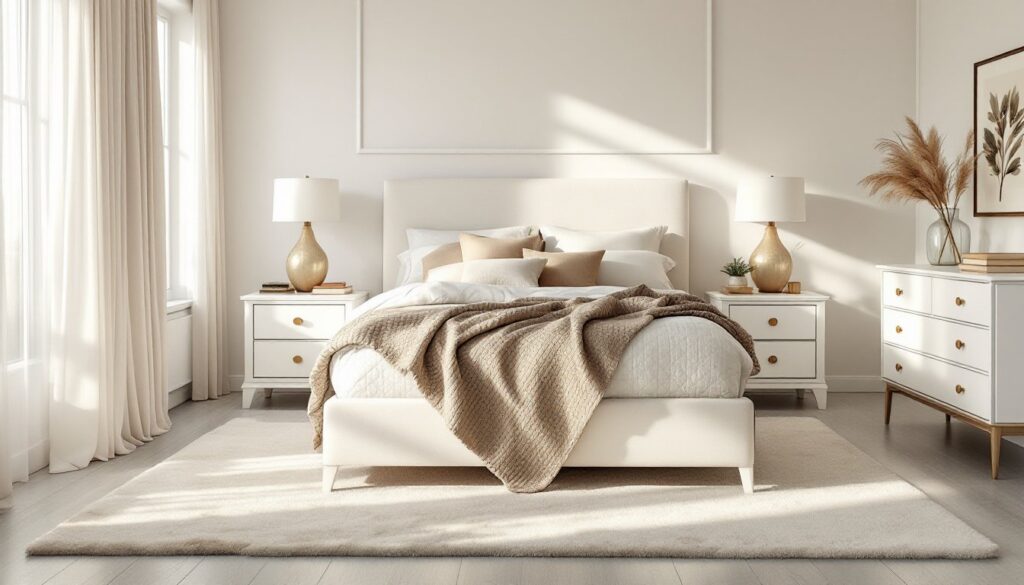
ToggleWhite bedroom furniture sets for king beds have become a go-to choice for homeowners seeking timeless elegance, versatility, and a serene retreat. Whether you’re furnishing a master bedroom, guest room, or starting fresh with a new home, a white king bedroom furniture set offers the perfect foundation for countless design directions. The neutral palette adapts to virtually any decor style, from farmhouse and coastal to modern minimalist and traditional, making it a smart investment that won’t feel dated in a few years. This guide walks you through selecting, arranging, and maintaining a white king bedroom set that truly works for your space and lifestyle.
Key Takeaways
- A white bedroom furniture set for king beds provides a timeless, versatile foundation that adapts to farmhouse, coastal, modern, and traditional design styles while remaining relevant for years.
- White king bedroom furniture reflects light to make rooms feel larger, supports better sleep through calming psychology, and allows easy spot-cleaning—making it a practical and beautiful choice for master and guest bedrooms.
- Essential pieces in a quality white king bedroom set include a sturdy bed frame (76″ × 80″), matching nightstands with full-extension drawers at 24–28 inches tall, and a dresser for balanced storage and visual appeal.
- Invest in solid wood construction with high-quality polyurethane or lacquer finishes, solid metal hardware, and at least 24-month warranties to ensure your white furniture withstands daily use and resists yellowing or warping.
- Layer white bedroom furniture with textured accessories, neutral area rugs, linen bedding, and soft accent colors (pastels, warm neutrals, or jewel tones) to create an inviting, serene retreat that avoids a sterile appearance.
- Position your king bed along the primary wall with at least 120 inches of length, flank it with nightstands 12–18 inches from the mattress, and place the dresser perpendicular to the bed to maximize functionality and traffic flow.
Why White King Bedroom Furniture Is the Perfect Choice
White furniture serves as a blank canvas in the bedroom. It reflects light, making rooms feel larger and more open, a genuine advantage in bedrooms where you’re trying to create an airy, restful atmosphere. Unlike trendy colors that can feel dated within a few seasons, white remains perpetually relevant and blends seamlessly with shifting decor trends.
A white king bedroom furniture set also provides psychological benefits. The color is associated with cleanliness, calm, and simplicity. Studies on bedroom environments consistently show that light, neutral tones support better sleep and relaxation compared to darker or overstimulating hues.
Practically speaking, white furniture is forgiving. Dust and minor scratches are easier to spot and address than on darker finishes, which actually helps with preventive maintenance. You can update the room’s vibe entirely through bedding, throw pillows, and accent décor without replacing the core furniture.
Essential Pieces Every King Bedroom Set Should Include
Bed Frames and Headboards
The bed is the centerpiece of any bedroom, and a white king bed frame sets the tone for the entire space. A king bed measures 76 inches wide by 80 inches long (nominal sizing), roughly 13 inches wider than a queen, giving you and a partner genuine personal space. When shopping for a king bed frame, verify the actual dimensions match your room. Some frames include storage drawers underneath, while others are platform-style or feature a traditional slatted support system.
Headboards range from simple padded designs to ornate carved or upholstered versions. A tufted white headboard adds visual interest without introducing a second color, while a simple panel headboard maintains clean minimalism. If you prefer a lower profile, floating beds (frames that appear to suspend off the ground) create a contemporary look and make the room easier to clean underneath.
Material matters: solid wood (pine, oak, or engineered composite) holds up better long-term than particleboard, especially on weight-bearing components. Check load ratings, a quality king frame should support at least 800 to 1,000 pounds safely.
Nightstands and Storage Solutions
Nightstands flank the bed and serve dual purposes: functional storage and visual balance. A pair of white nightstands keeps the room cohesive and provides convenient spots for lamps, books, phones, and glasses. Standard nightstand height is 24 to 28 inches, matching typical mattress heights so the surface is within arm’s reach from bed.
Drawer quality varies significantly. Full-extension drawers open fully, making it easy to access items at the back. Partial-extension drawers are cheaper but limit access, a trade-off worth considering if budget is tight. Look for soft-close mechanisms to prevent slamming, which reduces noise and prolongs drawer life.
Beyond nightstands, a white dresser or chest provides essential clothing storage and breaks up the visual space. A dresser is typically 30 to 36 inches tall and 48 to 60 inches wide. If wall space is limited, a narrower dresser or tall chest takes up less floor footprint while providing equivalent storage. Wall-mounted shelves or floating bedside tables are alternatives if you prefer an uncluttered, open aesthetic.
Design Styles and Aesthetic Considerations
White furniture adapts to virtually every design direction. Farmhouse and rustic styles pair white bedroom sets with distressed finishes, shiplap accents, and natural wood elements like exposed beams or reclaimed wood nightstands. The contrast between crisp white and warm wood tones creates depth and warmth.
Coastal and nautical themes complement white furniture beautifully through striped bedding, rope accents, and maritime artwork. This combination evokes a breezy, beachside calm that makes the bedroom feel like a personal retreat.
Modern and minimalist spaces benefit from clean-lined white furniture with minimal ornamentation. Pair it with neutral grays, blacks, or soft metallics (brushed nickel or matte brass hardware) for understated sophistication. Industry experts on interior design trends emphasize that contemporary white bedrooms perform well when layered with textural elements, linen bedding, a chunky knit throw, or a sheepskin rug, to prevent the space from feeling cold.
Traditional and transitional designs use white furniture as a foundation for classic details: tufted upholstery, turned legs, or furniture with crown molding. Layer in jewel tones, botanical prints, or gold-toned hardware for refinement. Research house and interior design ideas to explore visual inspiration that aligns with your home’s existing architecture and finishes.
Color pairing is crucial. White works well with soft pastels (blush, sage, pale blue), warm neutrals (greige, taupe, cream), and bold accent colors (navy, emerald, deep charcoal). Avoid pairing white furniture with very cold grays or pure black if your goal is a calming retreat: these combinations can feel sterile rather than serene.
Tips for Selecting Quality and Durability
Quality white bedroom furniture requires scrutiny because finish durability varies widely. Solid wood (oak, cherry, maple) is superior to laminate or particleboard for long-term durability, though it costs more. Check the wood type in product descriptions, if it just says “engineered wood” or “composite,” it’s likely particleboard with a veneer, which chips and warps over time.
Finish quality separates budget sets from investment pieces. A high-quality polyurethane or lacquer finish resists stains, scratches, and water marks far better than cheaper paint or stain applications. Ask retailers whether the finish includes UV protection, which prevents yellowing and discoloration over years of window exposure.
Hardware (handles, drawer pulls, hinges) reveals construction standards. Solid metal hardware outlasts plastic or cheap zamak (zinc alloy) pulls, which break under regular use. Inspect drawer slides in person if possible, ball-bearing slides glide smoothly and last longer than friction slides.
Weight is a practical indicator. A solid white king bed frame should weigh between 200 and 400 pounds: anything lighter suggests hollow frames or very thin materials. Nightstands with quality construction typically weigh 80 to 150 pounds, depending on drawer configuration.
Read product reviews specifically for mentions of assembly, stability, and finish durability over time. Homeowners on design-focused platforms often highlight which sets develop wobbles, scratches easily, or have missing hardware, red flags worth heeding. One expert tip: purchase white furniture sets from retailers offering at least 24-month warranties on manufacturing defects: this reflects manufacturer confidence.
Creating a Cohesive Room Layout
Layout fundamentally affects how a white bedroom furniture set functions in your space. A king bed requires at least 120 inches (10 feet) of wall length when centered, most bedrooms allow this along the primary wall opposite the entrance. Position the bed to avoid direct drafts from windows or doors, which disrupt sleep comfort.
Nightstands work best flanking the bed at equal distances, approximately 12 to 18 inches from the mattress edge on each side. This spacing allows nightstand drawers to open fully without bumping the bed. If your room is narrow, consider a single nightstand on one side rather than forcing both: a small floating shelf on the wall behind the opposite side provides backup.
A dresser should be placed against a wall perpendicular to the bed rather than opposite it, which blocks sightlines and makes the room feel cramped. 6 to 8 feet of wall clearance in front of drawers allows them to open without obstruction. In smaller rooms, place the dresser along the same wall as the foot of the bed if possible.
Measure doorswings and ensure furniture doesn’t block cabinet or closet access. A common oversight is placing nightstands directly in traffic paths, forcing people to squeeze past them. Use painter’s tape on the floor to outline furniture placement before committing, this prevents costly repositioning after delivery.
Layering white furniture with textured accessories, a neutral area rug anchoring the bed, bedding in linen or cotton, curtains with soft draping, adds warmth and visual interest. Interior design tips from professional stylists emphasize that white furniture needs these textural contrasts to feel inviting rather than sterile. Skip matching all white everything: instead, let white be the backdrop for layers of cream, ivory, gray, and natural wood tones.