

Table of Contents
ToggleWhen you’re hunting for a dining room table, you’ve got hundreds of brands and thousands of configurations to choose from, which makes narrowing it down maddening. Ashley Furniture has become a go-to source for homeowners looking for dining tables that balance real-world durability with solid style. Whether you’re replacing a family heirloom or furnishing a first dining space, understanding what Ashley offers, and how their tables hold up, can save you money and buyer’s remorse. This guide walks through the essentials: why Ashley dining tables work for modern homes, the styles they offer, how to pick the right size and shape for your space, what materials actually perform, and where to find deals without sacrificing quality.
Key Takeaways
- Ashley Furniture dining tables balance durability and style through solid hardwood construction, engineered wood cores with veneers, and proper joinery—avoiding particle board throughout for long-lasting furniture.
- Measure your dining space carefully: a table needs at least 36 inches of clearance on all sides for comfortable chair movement, and standard table height should be 30 inches with chairs sitting 12 inches below the surface.
- Ashley offers diverse styles from contemporary minimalist designs to rustic farmhouse collections, with distressed finishes providing practical camouflage for everyday wear better than pristine matte finishes.
- The $700–$1,200 price range represents the sweet spot for dining room table quality, offering better joinery, heavier bases, more durable finishes, and often extension leaves for long-term use.
- Engineered wood with hardwood veneers provides more stability than solid wood in fluctuating humidity and costs less while offering a solid wood feel, though it cannot be refinished unlike true hardwood tables.
- Wiping spills immediately and using coasters prevents water rings and stains, as most finishes require immediate attention to protect the wood grain and prevent permanent damage.
Why Ashley Furniture Dining Tables Stand Out for Modern Homes
Ashley Furniture has built a reputation for delivering tables that don’t require a design degree to place in your home, nor do they fall apart after three dinner parties. What sets them apart is a straightforward approach: solid construction at accessible price points, a catalog deep enough to hit multiple design sensibilities, and realistic warranties that back the product.
Most Ashley dining tables use hardwood solids or engineered wood cores with veneers, not particle board throughout. That distinction matters. Hardwood solids (like solid oak or cherry) resist warping and last decades with care: engineered cores are more stable than solid wood in fluctuating humidity, but cheaper to produce. Ashley typically labels this clearly, so you know what you’re buying. The joinery is glued and doweled or mortise-and-tenon on better models, not just stapled together. That’s the difference between a table you refinish in 10 years and one you replace in 5.
Their leg designs, turned, tapered, or chunky modern styles, are proportioned for actual human movement. Chairs pull in and out without immediate toe-stubbing, and the base doesn’t feel like an afterthought. That’s not just aesthetics: it’s usability.
Popular Ashley Dining Table Styles and Designs
Ashley’s catalog spans enough styles to fit farmhouse, contemporary, transitional, and eclectic homes alike. Here’s what you’ll find most often on the showroom floor and their website.
Contemporary and Minimalist Options
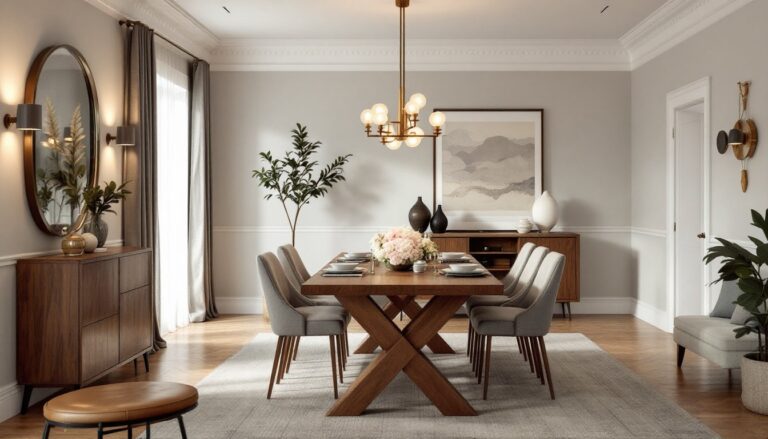
Contemporary Ashley tables lean into clean lines, dark finishes (espresso, charcoal, ebony), and minimal ornamentation. Surfaces are typically matte rather than high-gloss, which actually hides fingerprints and dust better in a busy dining area. Bases are often a single pedestal or geometric legs in metal or dark wood. These work well in open-concept spaces where you want the table to blend rather than dominate. The trade-off: they show crumbs and spills more obviously than distressed finishes, so you’ll be wiping down more often. Sizes in this category range from modest 48-inch rounds for apartments to extended 84-inch rectangles for larger families.
Figures from design-focused outlets like Elle Decor and Dwell highlight how neutral tables anchor modern spaces without competing with artwork or lighting. Ashley’s contemporary pieces follow that principle without the luxury price tag.
Rustic and Farmhouse Collections
Farmhouse and rustic Ashley tables are the workhorses of the brand. Reclaimed-look finishes, turned legs, and X-braces on the base are standard. Wood tones run warm, honey, amber, weathered brown, and the surfaces often show hand-scraped or distressed detailing. That distressing isn’t just eye candy: it’s practical camouflage for a family that actually uses its dining table daily. Crumbs, minor scuffs, and the occasional ring from a wet glass blend into the texture.
These tables typically run from 54 inches to 78 inches in length and pair naturally with upholstered or ladder-back chairs. Many include extension leaves to go from intimate weeknight dinners to holiday crowds. The weight is higher than contemporary options, expect 80–150 pounds for a standard four-seater, because of heavier bases and thicker tops. That’s a selling point: stability matters when kids are climbing on chairs.
Choosing the Right Size and Shape for Your Space
Picking the right dimensions is the most overlooked step, and it’s the one that makes the difference between a table that feels cramped or shoved into a corner and one that breathes in the room.
Start with your room’s floor space. A dining table needs at least 36 inches of clearance on all sides to allow chairs to pull out and people to move behind them comfortably. Measure your dining area, then subtract 36 inches from each direction. That’s your maximum table size. If your space is 12 feet by 14 feet, you’re looking at a comfortable fit for a 72-inch table (6 feet long) with 36 inches of breathing room.
Round tables work best in smaller rooms or if you want conversation to flow in all directions. A 48-inch round seats four to six comfortably. Rectangles are the default for families and for rooms that are longer than they are wide. A 36-inch-wide by 60-inch-long table seats six in reasonable comfort. A 36-inch by 78-inch seats eight but requires more substantial clearance.
Extension leaves are practical but heavy and awkward to manage. If you use them more than twice a year, a table with built-in extensions is worth the investment. American Home Furniture and similar outlets often stock tables with butterfly leaves (stored underneath) or accordion-style slides that expand smoothly. These add $200–$500 to the base price but save your back and your sanity.
Table height should be 30 inches from the floor to the top surface, that’s the standard, and most Ashley tables meet it. Chairs should sit 12 inches below the table surface. Check this if you’re mixing tables and chairs from different sources: mismatch here kills comfort faster than an uncomfortable chair.
Materials and Durability: What You Need to Know
Ashley’s durability depends on three things: the core material, the finish, and how you treat it.
Solid hardwood (oak, cherry, hickory, or walnut) is the gold standard. It’s expensive, heavy, and will swell or shrink slightly with seasonal humidity changes. Solid wood tables are an investment, $1,500 and up, but they refinish beautifully if the finish fails in 15 years. Engineered wood (plywood or MDF with veneer) is more stable and typically cheaper. It won’t refinish, but modern catalyzed finishes last 10–15 years with normal use. Most mid-range Ashley tables ($700–$1,200) use engineered cores with hardwood veneers on visible surfaces and solid wood bases.
Finishes vary by line. Lacquer and polyurethane are durable and easy to clean but show dust. Oil finishes (like tung oil) feel natural and warm but need reapplication every 1–2 years and don’t hide fingerprints. Catalyzed finishes (used on commercial furniture) are the toughest but are harder to touch up at home.
The Domino magazine aesthetic celebrates surfaces that age gracefully, and distressed finishes are intentional here, they hide real-world wear better than pristine matte black. That said, a glass top defeats the purpose of a wood table and traps moisture if it sits directly on the surface. If you use a glass top for protection, ensure it has felt pads underneath to allow the wood to breathe and prevent moisture accumulation.
Sealing the grain during finishing prevents stains from absorbing into the wood. Ashley’s typical process includes a seal coat before the final topcoat, which is standard practice. Still, spills should be wiped immediately. Water rings from cold glasses without coasters are nearly permanent on any finish short of heavy polyurethane, use coasters.
Budget-Friendly Picks and Investment Options
Ashley’s pricing ranges from $400 (basic 4-top tables in solid colors) to $2,500+ (solid wood or statement pieces with extended sizing). Where you land depends on finish, material, and how long you plan to keep the table.
Under $700: Entry-level Ashley tables in engineered wood with simple finishes. These tables work for renters, young families, or temporary setups. Expected lifespan is 7–10 years with normal use. The finish will show wear, especially around where plates and utensils sit, but the structure holds. Look for models with solid wood bases rather than all engineered construction, the legs handle weight better.
$700–$1,200: The sweet spot. These tables use better joinery, heavier bases, and more durable finishes. Distressed finishes in this range age beautifully. Solid wood tops with engineered cores are common, offering the feel of solid wood without the instability. Many include extension leaves or come in multiple sizes. This is where to spend if you’re keeping the table long-term.
$1,200+: Solid hardwood tables, premium finishes, or substantial size and weight. These are buy-once-and-refinish investments. Quality furniture retailers often have sales or clearance models in this range, so don’t pay full MSRP.
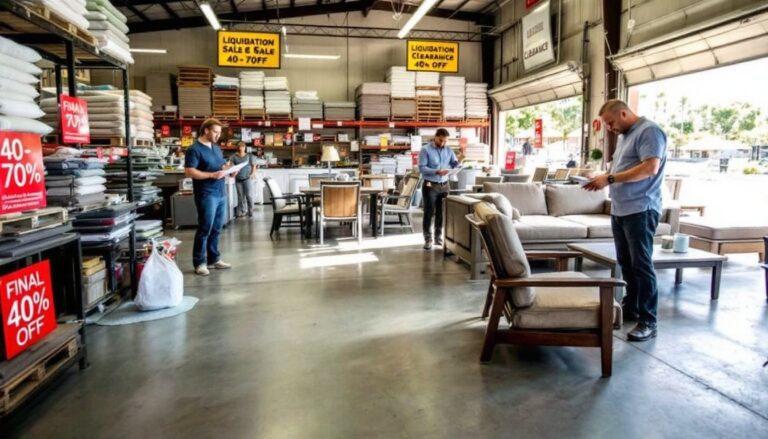
Sales and discounts happen at predictable times: holiday weekends (Memorial Day, Labor Day, Black Friday), store clearances, and when models turn over. Scratch-and-dent sales are worth checking if you don’t mind a small cosmetic flaw. Home Decorators Furniture and similar showrooms frequently move stock this way at 20–40% off.
Warranties on Ashley tables typically cover manufacturing defects for 1–3 years. They don’t cover wear, finish failure, or damage from spills or impact. Read the fine print before checkout.
Final Thoughts: Making Your Decision
An Ashley Furniture dining table is a practical investment if you know what you’re buying. Measure your space ruthlessly, understand the difference between solid and engineered wood, and pick a finish that matches your lifestyle, not your aspirations. Budget accordingly: a $900 distressed oak table will serve a family better than a $500 glossy contemporary table that shows every smudge. And remember, durability and style aren’t either-or, you get both when you choose thoughtfully.