


Table of Contents
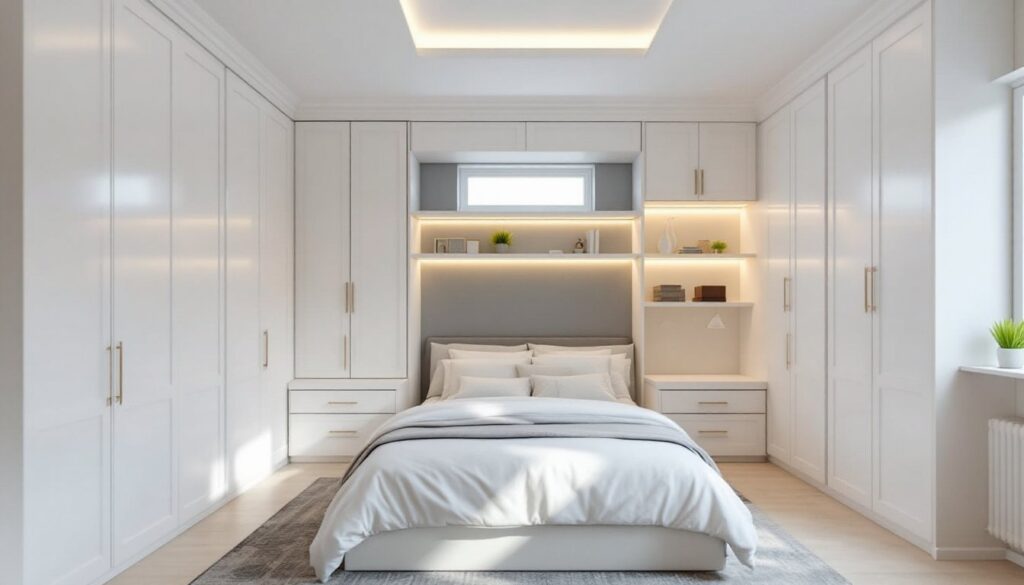
ToggleFitted bedroom furniture represents one of the smartest investments a homeowner can make. Unlike freestanding pieces that leave awkward gaps and waste precious square footage, fitted solutions wrap around your bedroom’s unique dimensions, transforming wasted corners and underutilized wall space into functional storage and display areas. Whether you’re working with a sprawling master suite or a cozy guest room, fitted bedroom furniture adapts to your space rather than forcing you to adapt to generic off-the-shelf options. This guide walks you through what fitted solutions actually are, why they’re worth considering, and how to plan, install, and maintain them for years of reliable use.
Key Takeaways
- Fitted bedroom furniture maximizes space efficiency by capturing dead space and utilizing vertical storage, often adding 30-50% more storage without consuming floor space.
- Proper measurement at multiple heights and documenting wall conditions is critical, as wall irregularities in older homes can impact alignment and fit of custom fitted solutions.
- Fitted bedroom furniture creates aesthetic coherence and increases perceived home value by presenting a unified, intentional design system rather than randomly assembled pieces.
- While semi-custom modular units may be DIY-friendly, professional installation for fully custom fitted work is recommended to ensure precision, proper alignment, and protection of your investment.
- Regular maintenance including dusting, immediate spill cleanup, and periodic hardware tightening extends the lifespan of fitted furniture, with well-maintained systems remaining attractive and functional for 10-15+ years.
What Is Fitted Bedroom Furniture and Why Homeowners Love It
Fitted bedroom furniture is custom or semi-custom cabinetry and storage that’s built or assembled to fit the exact dimensions and layout of your bedroom. Unlike a dresser or nightstand you buy online and place wherever it fits, fitted pieces are designed to cover walls, fill corners, and integrate with architectural features like windows, doors, and sloped ceilings. They typically include wardrobes (which replace or augment closets), bedside units, shelving, and desk spaces, all coordinated as a single system.
Homeowners love fitted solutions for a straightforward reason: they make small spaces feel bigger. A room that might feel cluttered with traditional furniture suddenly breathes when vertical storage goes wall-to-wall, keeping the floor open and sightlines clear. There’s also the psychological win of knowing every cubic inch is working for you, not gathering dust bunnies. Beyond storage, fitted furniture eliminates the “I spent $3,000 on bedroom pieces but nothing fits my layout” frustration. You’re not rearranging the same five items hoping for the magic formula, you’re getting a tailored system that works the first day it’s installed.
Key Benefits of Custom-Fitted Solutions for Your Bedroom
The first real benefit is space efficiency. A floor-to-ceiling wardrobe system captures dead space above a standard closet, often adding 30 to 50 percent more storage without eating into your room’s footprint. Fitted shelving over a bed or in a corner nook uses vertical real estate that freestanding furniture can’t reach.
Second is aesthetic coherence. When your storage, desk, and bedside units are part of one design system, the room feels intentional and planned, not like furniture was randomly gathered over five years. This unified look often increases perceived home value, and it’s a major draw for potential buyers if you’re thinking long-term.
Third is durability and customization. Professional fitted systems are built to your exact measurements and typically use better materials than budget-friendly flat-pack alternatives. You’re also free to choose finishes, hardware, and internal configurations. Want soft-close drawer glides and LED interior lighting? Dovetail joinery instead of dowels? That’s all standard for fitted work.
Finally, fitted furniture maximizes difficult spaces. Sloped attic ceilings, alcoves, and wall irregularities become features, not obstacles. A freestanding wardrobe might leave a 6-inch gap in a sloped room: a fitted solution wraps around it perfectly. This is why fitted furniture is especially popular in converted attics, period homes, and apartments where every inch counts.
Planning Your Fitted Bedroom: Design and Layout Considerations
Measuring and Assessing Your Space
Don’t skip measuring. Seriously. This is where 90 percent of fit and finish problems start. Grab a 25-foot tape measure (not a cloth one, it stretches) and record the dimensions of your room at three heights: near the floor, at mid-wall, and near the ceiling. Old houses settle, and walls aren’t always plumb or square. Measure corner-to-corner diagonally as well: if those measurements differ by more than half an inch, your room is out of square, and the designer needs to know.
Document everything: window and door locations (including swing direction), light switches, outlets, radiators, or vents. Photograph the walls with a measuring tape visible for reference. If you’re working with a designer or carpenter, these photos save multiple rounds of clarification. Also note the wall condition. Fresh paint is fine, but if plaster is crumbling or drywall is water-stained, that gets patched before fitted work starts. A solid, flat surface is non-negotiable for high-quality results.
Choosing Materials, Colors, and Finishes
Fitted furniture materials range from melamine-faced particle board (budget-friendly, durable, lower environmental footprint) to solid wood veneer (warmer appearance, repairable, pricier) to solid hardwood (heirloom quality, cost reflects it). For bedrooms, melamine or veneer over plywood is a solid middle ground: robust enough for daily use, easier on the budget than solid wood, and available in dozens of finishes.
Color and finish drive the room’s personality. Light, neutral tones (whites, soft grays, warm creams) make rooms feel larger and pair with any décor direction. Darker finishes (charcoal, navy, rich walnut) add sophistication but can make compact rooms feel smaller. Consider your bedroom’s natural light, existing décor, and how long you plan to stay in the home. Trendy finishes can feel dated quickly: timeless options age better and are easier to refresh with new bedding, curtains, or hardware.
Internal finishes matter too. Soft-close hinges and glides cost more upfront but eliminate slamming and drawer frustration after a decade of use. LED strip lighting inside wardrobes is becoming standard and genuinely useful. Adjustable shelves beat fixed ones, your storage needs change, and flexibility is worth the minimal added cost.
DIY Installation Tips vs. Professional Assembly
Here’s the honest take: fitted bedroom furniture is rarely a pure DIY project for the average homeowner. Most of what you’re paying for, beyond materials, is precision: level, plumb, square, and seamless integration with your walls. One wall slightly out of plumb can cascade into misaligned doors and gaps by the time you reach the opposite corner.
That said, there’s a middle ground. If you’re assembling semi-custom modular units (like high-end Scandinavian wardrobe systems), you can handle assembly if you’re comfortable with a drill/driver, a level, and a miter saw. Watch the manufacturer’s video twice, lay out all parts before starting, and don’t skip the hardware. Use wall anchors rated for the weight if you’re not hitting studs, a 300-pound wardrobe crashing down is a safety emergency, not a joke.
Wear safety glasses when driving screws overhead, and use a stud finder to locate framing before mounting anything. If your walls are uneven (and older homes always are), shim behind mounting brackets so your cabinets sit perfectly plumb, not tilted against wavy plaster.
For fully custom built-ins or complex layouts, hire a professional carpenter or cabinetmaker. It’s worth the cost. A skilled installer navigates wall quirks, hides seams, and aligns doors so they close without binding, things that look simple but require training. Get references, see previous work, and make sure they’re insured and bonded. A fully custom fitted system is a major investment: professional installation protects that investment.
Maintenance and Long-Term Care for Fitted Furniture
Fitted furniture is durable by design, but basic care extends its lifespan and keeps it looking sharp. Dust regularly with a soft, dry cloth. For fingerprints or marks, a slightly damp microfiber cloth works: avoid soaking or pouring water on surfaces. Melamine-faced boards and painted finishes are wipeable but not water-resistant, excess moisture seeps into edges and causes swelling.
Tackle spills immediately. A splash of water on a shelf is fine: a puddle left overnight is trouble. Similarly, keep the wardrobe interior dry. In humid climates, a small rechargeable desiccant pod inside a closed wardrobe prevents moisture buildup and musty smells.
Hardware, hinges, handles, drawer slides, occasionally needs tightening. Doors that sag slightly can often be adjusted at the hinge rather than replaced. Soft-close mechanisms sometimes slow down over time: most are adjustable with a small hex wrench (usually provided). Refer to the instruction manual, or a quick email to the manufacturer solves 90 percent of minor issues.
Planning renovations? Fitted furniture survives well if the room around it is updated properly. If you’re repainting, use drop cloths and tape off the furniture, paint splatters are nearly impossible to remove from delicate finishes. If you’re refinishing floors, remove and store lightweight units temporarily. A little upfront care prevents costly touch-ups.
Beyond 10 to 15 years, even high-quality fitted furniture may show age: wear on drawer bottoms, slight sagging shelves, or faded finishes. Rather than replacing the entire system, strategic refurbishing (fresh paint, new hardware, adjusted shelves) often feels and looks like new. This is another reason BR Home Furniture: Transform options appeal to long-term thinkers, they adapt and evolve with your home. Research from Houzz’s bedroom storage solutions shows that well-maintained systems remain functional and attractive for decades, making them a smart value play over time.
Making the Fitted Furniture Decision
Fitted bedroom furniture requires upfront planning and investment, but the payoff is a space that feels intentional, organized, and genuinely livable. Start by measuring carefully, articulating what you actually need to store, and exploring design options through interior design inspiration resources like Homify and Homedit. Whether you go full-custom or semi-custom modular, the key is choosing materials and finishes you’ll love for at least a decade. Installation varies in complexity, but professional help for custom work pays for itself in fit and longevity. Once installed, basic maintenance, dusting, addressing spills promptly, and tightening hardware, keeps your fitted system looking sharp for years. For homeowners serious about squeezing every ounce of function and comfort from their bedroom, fitted furniture is a project worth pursuing.