



Table of Contents
ToggleBuying used living room furniture doesn’t mean settling for hand-me-downs or pieces held together with duct tape. Today’s secondhand market offers solid construction, authentic style, and real savings, if you know where to look and what to watch for. Whether you’re outfitting a first apartment, refreshing a tired layout, or hunting for statement pieces, used living room furniture for sale gives you options that new retailers simply can’t match. The trick is approaching the hunt with the same eye for quality that you’d bring to a retail showroom: inspect structurally, ask the right questions, and negotiate fairly. This guide walks you through finding, evaluating, and restoring pieces that’ll serve you for years, not months.
Key Takeaways
- Used living room furniture for sale offers substantial savings (20–40% below retail) while providing access to unique, quality pieces from online marketplaces, thrift stores, estate sales, and auctions.
- Thoroughly inspect any secondhand piece by testing the frame, checking for structural damage like woodworm or water stains, and measuring dimensions carefully before committing to a purchase.
- Negotiate strategically by starting 15–20% below asking price, pointing out specific wear, and bundling items—but always walk away if prices exceed what new furniture would cost.
- Simple refurbishing techniques like cleaning, furniture polish, and replacing cushion inserts can restore tired used pieces for $150–$500, significantly less than professional reupholstery.
- Create a cohesive living room by anchoring with one high-impact used furniture statement piece, layering complementary textures, and maintaining a consistent era or style to avoid a cluttered thrift-store appearance.
Where to Buy Used Living Room Furniture
Online Marketplaces and Local Classifieds
Online platforms have become the fastest way to hunt secondhand pieces. Facebook Marketplace, Craigslist, and OfferUp let you filter by location, price, and item type, so you’re not wasting time on couches three states away. These sites show you honest photos (usually), seller ratings, and shipping options, though you’ll need to vet sellers carefully and arrange your own logistics.
Specialized sites like Chairish and 1stDibs cater to higher-end vintage and antique furniture. Prices are steeper, but the vetting is tighter and authenticity is guaranteed. If you’re after mid-century modern or designer pieces, these platforms cut through the noise.
Local buy-and-sell groups on Facebook often have less price inflation than general marketplaces because sellers want quick turnover. You’ll also avoid shipping costs entirely. Post a wanted listing, join neighborhood groups, and check regularly, good pieces disappear fast.
When browsing online, ask sellers specific questions: dimension measurements (verify with a tape if you visit), weight and condition of legs or cushions, any stains or damage, and delivery logistics. Request photos from multiple angles, especially underneath couches and chairs where wear shows first.
Thrift Stores, Estate Sales, and Auctions
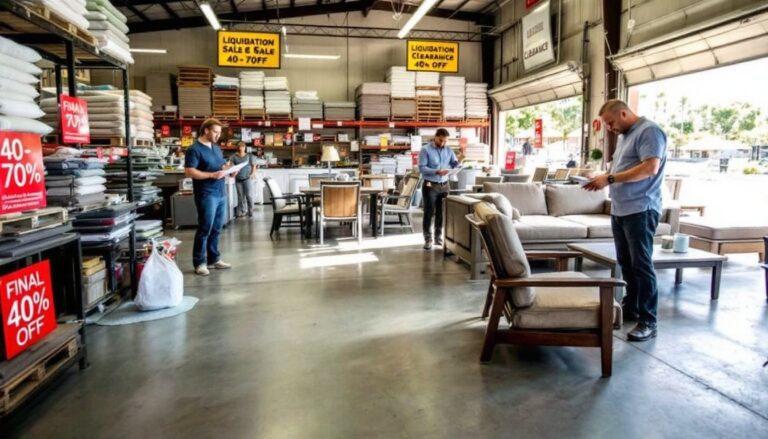
Thrift stores like Goodwill, Salvation Army, and independent consignment shops are unpredictable but rewarding. You might find a solid-wood dresser overpriced at $400, then spot a legitimate Queen Anne side chair for $30 the next visit. The gamble is part of the appeal, and prices are rock-bottom compared to online sellers expecting full market value.
Estate sales are goldmines if you time it right. When someone’s home goes on sale following a move or death, entire rooms of furniture hit the market at once. Arrive early (first hour usually means first pick), bring cash, and bring a friend to spot details while you negotiate. Many estate sale companies publish photos online beforehand, so you can scout what’s available.
Auctions, both live and online, add competition to the mix. Auction sites like Worthpoint or local auctioneers often list furniture with estimated values and condition reports. Bidding can drive prices up fast if multiple buyers want the same piece, but patience pays off: arrive late in an auction, bid smart, and walk away if the price climbs beyond what you’d pay retail.
Walk-in thrift hunting requires patience and regular visits, but you’ll develop a feel for what’s fairly priced. A solid oak coffee table with minor veneer damage might be $80: a vintage upholstered sofa in decent condition could range $200–$500 depending on brand and bones.
How to Inspect and Evaluate Quality Before Buying
Before handing over money, treat every piece like a structural evaluation. Start with the frame: push down on cushions and arms to feel for firmness and flex. A sagging couch that bounces back quickly is fine: one that sags and stays soggy needs a spring or frame replacement (expensive, not a beginner’s job). Hardwood frames, check the underside, should feel solid, not splintered or cracked.
Look for woodworm (tiny holes in wood), water stains, or veneer lifting. These hint at storage problems or moisture damage that’ll only worsen indoors. Sniff the piece too: cigarette smoke, mildew, or pet odors are red flags. Some smells fade with time and ventilation: others (especially mildew) signal deeper structural issues.
For upholstered pieces, sit on them. Test the cushion firmness and check for lumps or sagging. Flip cushions to see if they’re worn unevenly. Springs should feel evenly distributed, no poking wires or collapsed areas. Examine seams for tears or loose stitching: reupholstering is pricey, so factor that into your offer.
Hardwood tables and dressers deserve a level check. Place a phone’s level app on the top surface to spot warping. Check for loose drawers, sticky runners, or hardware that’s corroded. Wood color inconsistency or water rings aren’t deal-breakers but tell you the piece’s history.
Measure carefully, bring a tape measure every time. Note exact dimensions, depth of cushions, and leg clearance for vacuuming. Compare against your space with a photo or floorplan. A beautiful sofa that doesn’t fit through your doorway is a heartbreaker and an expensive mistake.
Ask the seller how long they’ve owned the piece, why they’re selling, and whether anything needs repair. Honest sellers will tell you if springs are shot or cushions flatten. If they dodge questions or seem evasive, walk away. Used furniture deals are plentiful: sketchy sellers aren’t worth the risk.
Pricing Strategies and Negotiation Tips
Used furniture pricing depends on age, condition, style, and rarity. A mid-century credenza in excellent shape commands more than a 1990s composite particle-board TV stand, even if both are the same size. Check comparable listings on the same platform: if three similar couches are selling for $400–$500, an asking price of $650 is negotiable territory.
For online sales, expect a 20–40% discount from retail new prices, depending on age and condition. High-end designer brands hold value better than mass-produced pieces. A West Elm sofa, barely used, might fetch 50–60% of its original price: a particle-board sectional might hit 30–40%.
At estate sales and thrift stores, prices are set lower but less negotiable. At auctions, you’re competing, so set a mental max bid and stick to it. Impulse bidding on a $1,200 sofa because you got swept up in the moment is how buyers regret furniture purchases.
When negotiating directly with a seller, start at 15–20% below asking price if the item is priced high or has minor issues. Point out specific wear (loose thread, water ring, scratched leg) and suggest you’ll need a cleaning or repair. Always be respectful: you’re trying to save money, not insult their stuff. Many sellers will meet you halfway, especially if they’re motivated to clear space quickly.
Bundle deals work too: offer full asking price for the sofa if they throw in the accent chairs at a discount. Many sellers prefer one quick deal to multiple negotiations. For online sales, consider offering cash pickup instead of shipping to reduce the seller’s headache and justify a lower offer.
Never pay full asking price unless the piece is rare, nearly new, or you’ve checked comps and it’s genuinely priced fairly. The whole advantage of used furniture is the price break, use it.
Refurbishing and Restoring Used Pieces
A solid frame and decent bones mean a tired piece can be refreshed with some elbow grease. Start with cleaning: vacuum or brush upholstered surfaces, wipe wood with a damp cloth and mild dish soap, then dry immediately. For stubborn stains on fabric, use a mixture of white vinegar and water (1:1) and blot, don’t rub, which pushes the stain deeper.
For wood furniture, minor scratches vanish with furniture markers or touch-up stain pens from any hardware store. Deeper scratches or gouges need wood filler (follow package directions, sand smooth when dry, then stain). If the finish is dull, a furniture polish or tung oil restore depth and luster without stripping the original finish.
Upholstery springs and cushion fill are harder DIY jobs. If the frame is solid but springs are loose or broken, that’s a job for a professional upholsterer. Costs run $300–$800+ depending on size and fabric choice, so factor that into your purchase price and whether it’s worth it. Budget-conscious? Sometimes replacing all cushions (new inserts, same fabric covers) is enough to refresh the piece for $150–$300.
For that used furniture smell, open windows, sprinkle baking soda on upholstery and let sit overnight, then vacuum thoroughly. Fabrics can also air out in sunlight for a few hours. If musty smells persist, a professional ozone treatment ($50–$150) kills odors at source.
Paint or stain is a last resort, stripping old finish and re-doing wood takes time and chemicals. If the wood is already painted and you want a refresh, sand the surface lightly and apply furniture paint (available at craft stores) in 2–3 thin coats. For leather or vinyl, leather conditioner extends life and improves appearance.
Keep receipts for any refurbishing supplies or professional work. It documents the piece’s value and your care.
Design Ideas for Integrating Used Furniture Into Your Space
Mixing new and used pieces is the fastest way to avoid a “thrifted” look. Anchor your room with one high-impact used item, a statement sofa, credenza, or coffee table, then build around it with simpler, newer accents. This prevents your space from looking like a clearance section.
Choose a cohesive era or style. Mid-century modern, farmhouse, eclectic boho, and minimalist all work with secondhand pieces, but random eras clashing (Art Deco chair next to a 1970s sectional next to a 2010s console) read chaotic, not intentional. If you’re not sure of your style, start by collecting images of rooms you love, then buy pieces that fit that direction.
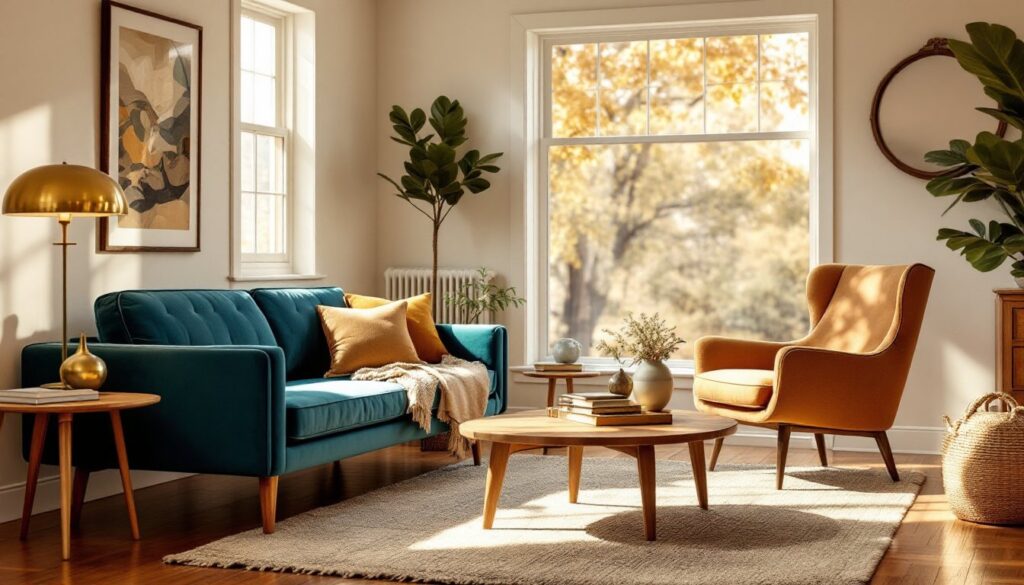
Color grounds a room. Used pieces come in many original colors, cream, brown, teal, so lean into that instead of forcing everything neutral. A jewel-tone velvet sofa becomes the room’s heart: build supporting colors from throw pillows, rugs, and artwork. This is faster than painting or reupholstering.
Scale matters hugely. A vintage wingback chair looks intentional in a living room: two of them create symmetry. A single small console table in a large room looks lost: flank it with matching lamps or artwork to give it visual weight. Use the rule of three: odd numbers of items (three throw pillows, three wall shelves) feel natural and curated.
When sourcing used pieces, Model Home Furniture for spaces offers insights into creating cohesive designs with curated selections. Similarly, Home Staging Furniture transforms your space with deliberate placement and balance. For inspiration on blending styles affordably, explore BR Home Furniture spaces. If you’re drawn to vintage aesthetics, professional design inspiration and curated home inspiration both showcase creative mixing of eras. Professional designers often scout platforms for vintage furniture sourcing approaches that balance budget and personality.
Layering textures, a leather sofa, linen chairs, a wool rug, makes secondhand pieces feel intentional and rich. Don’t overthink it: if you love it and it fits, buy it. The best used furniture pick is the one you’ll actually live with happily.