




Table of Contents
ToggleCreating a cohesive bedroom starts with thoughtful furniture selection. Modern bedroom furniture sets blend aesthetics, comfort, and practicality, solving the common problem of mismatched pieces and wasted time hunting for coordinated designs. Whether you’re renovating a tired master suite or furnishing a new home, selecting the right modern bedroom furniture set gives you a foundation that feels intentional and pulls together cleanly. In 2026, contemporary designs emphasize clean lines, functional storage, and materials that age well, so your investment holds up both visually and structurally.
Key Takeaways
- Modern bedroom furniture sets eliminate mismatched pieces and visual clutter by offering coordinated designs with proportional sizing, aligned hardware, and consistent finishes.
- Contemporary design styles range from minimalist and Scandinavian (emphasizing simplicity and natural wood) to industrial and mid-century modern, each suited to different spaces and preferences.
- A complete modern bedroom furniture set should include a bed frame, two nightstands, a dresser, chest of drawers, and a mirror, with optional seating pieces depending on room size.
- Solid hardwoods and quality engineered wood with mortise-and-tenon joinery offer better durability than cheaper alternatives, while matte finishes hide fingerprints better than glossy options.
- Neutral color palettes and clean-lined modern bedroom furniture sets serve as lasting investments that accommodate changing decor trends without requiring replacement for 8–10 years.
- Buying furniture as a coordinated set from one manufacturer simplifies assembly, ensures hardware compatibility, and makes future replacements straightforward compared to purchasing individual pieces separately.
Why Modern Bedroom Furniture Sets Matter for Your Home
A modern bedroom furniture set does more than fill empty floor space. It establishes a visual language for the room, creating coherence that makes even modest square footage feel intentional. Mismatched furniture, a nightstand that doesn’t echo the bed frame, a dresser that clashes with the headboard style, creates visual noise and makes a room feel scattered, even if it’s clean.
Buying furniture as a coordinated set eliminates guesswork. The pieces are designed to complement each other in proportion, finish, and design philosophy. This consistency matters for both appearance and function. A modern set typically includes proportional drawer spacing, aligned leg heights, and hardware that reads as one cohesive design rather than a collection of separate purchases made at different times.
Beyond aesthetics, sets often offer practical value. Many modern bedroom furniture sets are engineered with built-in storage solutions, under-bed drawers, headboard shelving, or integrated nightstands, that maximize utility in rooms where square footage is precious. Because all pieces are made by the same manufacturer, assembly instructions align, hardware matches, and if you need to replace a component years later, finding a compatible piece is straightforward. Sets also tend to represent better value per piece than buying items individually from different retailers.
Key Styles and Design Aesthetics to Know
Modern bedroom design isn’t one look, it’s a spectrum of related aesthetics, each with distinct characteristics. Understanding the differences helps you choose a set that genuinely resonates with your space and lifestyle.
Minimalist and Scandinavian Designs
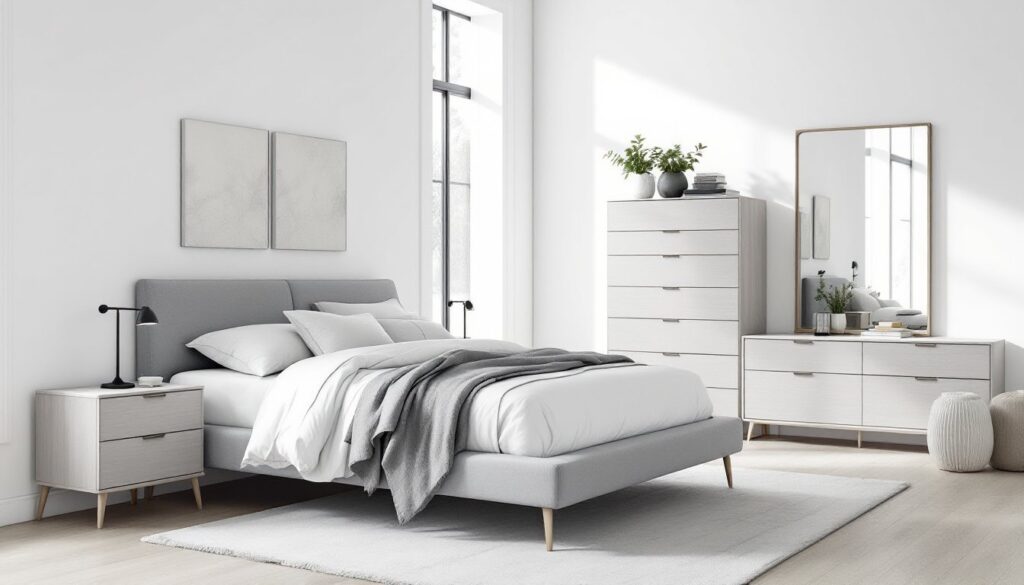
Minimalist furniture prioritizes essential function and eliminates visual clutter. Beds feature low or platform frames without ornamental footboards. Dressers have smooth, flat fronts with minimal hardware. Nightstands are often simple boxes on legs or integrated into the bed frame. The color palette leans toward whites, grays, and warm naturals. This approach works especially well in smaller bedrooms because it doesn’t compete for visual attention.
Scandinavian design shares minimalism’s restraint but adds warmth through natural wood tones and tactile textiles. You’ll see tapered wooden legs on beds and case pieces, light ash or birch finishes, and an emphasis on comfort alongside simplicity. Scandinavian sets often cost slightly more than bare-bones minimalist pieces because the wood quality and joinery are engineered for longevity. The trade-off is furniture that ages gracefully rather than looking cheap in five years.
Industrial and Mid-Century Modern Looks
Industrial modern embraces visible structure. Bed frames combine metal (often black powder-coated steel) with reclaimed or distressed wood. Dressers feature open shelving, metal frames, and a deliberate “unfinished” aesthetic. This style works well in lofts or bedrooms with concrete, exposed brick, or metal architectural features. When executed well, industrial furniture feels curated, not harsh.
Mid-century modern (MCM) references 1950s–60s design language: tapered wooden legs, warm wood tones, gentle curves, and restrained ornamentation. A mid-century bedroom set might include a platform bed with a gentle headboard arch, a dresser with angled legs and simple pulls, and nightstands that echo the bed’s proportions. MCM pieces are widely available and price-accessible because the style remains consistently popular. But, quality varies widely: cheap MCM reproductions look flimsy, while solid examples feel substantial and timeless.
Essential Pieces to Include in Your Modern Bedroom Set
A functional modern bedroom set typically includes five core components, though specific offerings vary by manufacturer.
Bed frame is the anchor. Modern options range from simple platform beds (a solid base that eliminates the need for a box spring) to beds with upholstered headboards or integrated storage. If you have a small room, a platform bed with under-bed drawers maximizes storage without additional furniture footprint. Standard mattress sizes remain consistent: queen beds measure 60″ wide × 80″ long, and king beds are 76″ × 80″. When measuring your room, account for at least 24″ of clearance on either side of the bed for comfortable movement.
Nightstands flank the bed and hold lamps, water glasses, and personal items. Modern sets typically include two matching pieces, though asymmetrical layouts (different heights or styles on each side) are increasingly common in contemporary design. Ensure nightstands are within arm’s reach of the bed, typically 24″ height for easy access.
Dresser provides essential clothing storage and a horizontal surface for a mirror or decor. Modern dressers tend to be wider and shorter than traditional pieces, with clean lines and minimal ornamentation. If your bedroom doubles as a workspace, a dresser with a top surface that extends into a desk can serve dual purpose.
Chest of drawers or accent dresser adds secondary storage without consuming wall space like a tall wardrobe would. Depending on the set, this piece might be smaller than the primary dresser or offer specialized storage (shallow drawers for accessories, deeper ones for sweaters).
Mirror is functional and visually expands the room by reflecting light. Many modern sets include a mounted or leaning mirror, or coordinate a mirror frame that echoes the bed’s design language. Sources like Design Milk showcase contemporary furniture that balances form and function seamlessly.
Some sets also include a bench or low-profile seating piece at the foot of the bed, useful for sitting while getting dressed and adding a design accent. Whether to include this depends on your room’s square footage and workflow.
Materials, Colors, and Finishes That Define Modern Furniture
Material choice determines durability, maintenance, and the overall feel of your bedroom set.
Wood remains the standard for bed frames, dressers, and nightstands. Solid hardwoods (oak, walnut, cherry, ash) are durable and age beautifully, commanding higher prices. Engineered wood (plywood, medium-density fiberboard or MDF with veneer) costs less and works well for modern styles if construction quality is solid, look for mortise-and-tenon joinery (where pieces lock together) rather than simple dowel or screw assembly. Verify that drawers use wooden slides or ball-bearing glides (smooth, reliable) rather than plastic tracks, which wear quickly.
Finishes shape the furniture’s appearance and maintenance demands. Natural finishes showcase wood grain but require occasional oiling or waxing to prevent drying and cracking. Matte lacquer or paint finishes (whites, soft grays, warm blacks) hide fingerprints better and suit minimalist aesthetics. Glossy finishes are modern-looking but demand frequent wiping. Distressed or hand-rubbed finishes suit industrial or mid-century styles and mask minor surface wear, making them practical for families with children or pets.
Upholstery on headboards or benches adds comfort and sound absorption. Look for tightly woven linen or performance fabrics that resist staining, especially if you’re furnishing a guest room or have pets. Quality upholstery sits firmly over the frame without sagging: inferior examples gap at seams within a year.
Metal hardware and legs complete modern furniture. Brushed nickel, matte black, and raw brass handles are contemporary staples. Verify that handles are securely fastened and that any exposed metal won’t rust or oxidize unevenly over time. Tapered wooden or metal legs typically measure 4–6 inches tall: lower legs (2–3 inches) suit very modern platform aesthetics but can complicate vacuuming underneath.
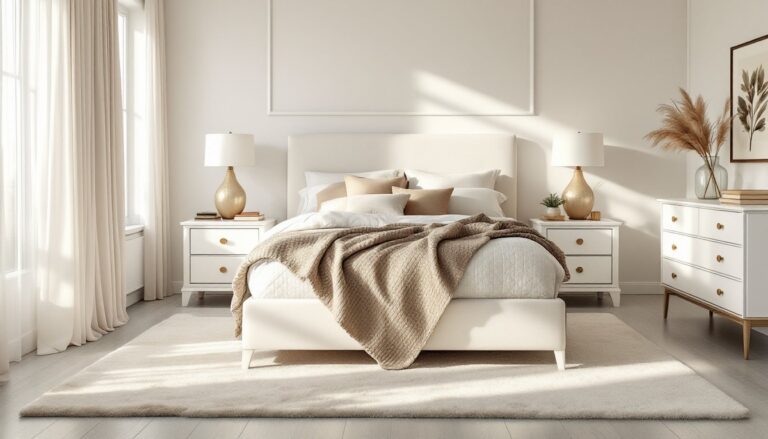
Color palette for modern bedrooms typically includes neutrals, whites, soft grays, warm taupes, and natural wood tones, anchored by the set’s primary finish. Accent colors enter through textiles (bedding, pillows, curtains) rather than furniture, making it easier to refresh the room’s mood without replacing major pieces. Research on platforms like Decoist illustrates how neutral furniture serves as a backdrop for evolving decor styles. Darker woods (walnut, wenge) or bold painted finishes add drama but require careful coordination and may feel dated if trends shift. If you’re committing to a bedroom set for 8–10 years, neutral foundations offer better longevity.
Conclusion
A well-chosen modern bedroom furniture set anchors your space with cohesion, function, and aesthetic confidence. Whether you lean toward Scandinavian warmth, industrial edges, or mid-century curves, prioritize solid construction, thoughtful proportions, and finishes that align with your maintenance tolerance. Take time measuring your bedroom, accounting for traffic flow, and visualizing how pieces sit in context, not just in a showroom photo. Inspiration sources like Dwell offer real-world examples of modern bedrooms at various budgets and scales. Your set is an investment in daily comfort and a room you’ll inhabit for years, so choose deliberately.