
Table of Contents
TogglePicking the right patio furniture table is one of those decisions that affects your outdoor space for years, it’s not just about what looks good on the patio for a weekend. You’re investing in durability, functionality, and the backbone of your outdoor entertaining area. Whether you’re replacing a weathered table or building out your backyard from scratch, the choices feel endless: glass or wood? Metal or stone? How big should it actually be? This guide walks through the real decisions homeowners need to make when selecting patio furniture tables, from understanding materials and sizing to matching your space’s personality and keeping your investment in shape long-term.
Key Takeaways
- Selecting the right patio furniture tables requires balancing durability, functionality, and style to create an outdoor entertaining area that lasts for years.
- Dining tables accommodate multiple guests with sizes like 36 × 72 inches for six people, while cocktail and accent tables add flexibility and visual interest to smaller patios.
- Material choice significantly impacts longevity and maintenance: hardwoods like teak are rot-resistant, aluminum requires minimal care, and stone is incredibly durable but heavy and demands occasional sealing.
- Measure your patio before shopping and maintain at least 36 inches of clearance on all sides of the table for comfortable foot traffic and chair movement.
- Regular maintenance—such as sealing wood tables every 12–18 months, rinsing metal surfaces, and covering tables during off-season—can extend your table’s lifespan from 5–7 years to 15+ years.
- Design styles from modern minimalist with polished concrete and aluminum to rustic farmhouse with weathered wood should anchor your outdoor aesthetic and complement your home’s overall look.
Types of Patio Tables to Consider
Dining and Entertaining Tables
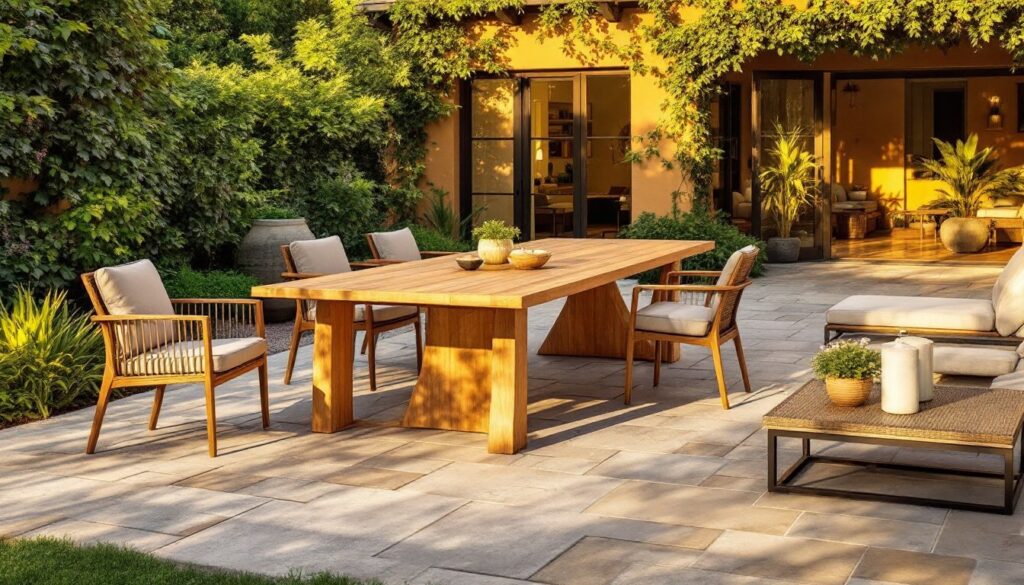
Dining tables are the workhorse of outdoor spaces. They’re built to accommodate multiple place settings, hold serving dishes, and withstand regular use. Standard patio dining tables come in rectangular, round, or oval shapes, each with trade-offs. Rectangular tables (typically 36–48 inches wide and 60–84 inches long) maximize seating and fit tight spaces efficiently. Round tables (48–60 inches in diameter) foster conversation and work well in smaller patios since there’s no head position: they’re also easier to navigate around. Oval tables split the difference, offering the conversation vibe of round tables with better capacity.
When selecting a dining table, think about how many people you actually seat regularly, not just at peak gatherings. A table that seats six comfortably is usually around 36 × 72 inches: one that seats four is roughly 36 × 48 inches. Allow about 24 inches per person along the perimeter and 36 inches of clearance around the table for chair movement. Most retailers list seating capacity, but those numbers assume tight quarters. Give yourself an extra 6–12 inches if you want guests not to feel cramped.
Cocktail and Accent Tables
Cocktail tables are smaller, less formal surfaces meant for drinks, snacks, and casual conversation, not meals. These typically run 24–36 inches wide and 18–48 inches long, depending on your patio footprint. They work well in corner groupings, between lounge chairs, or as centerpieces in conversation areas. Accent tables are the flexible players: side tables, console tables, or tiered designs that hold plants, books, or decorative items. They’re practical for breaking up large patio spaces and adding visual interest without committing to full dining setups. Cocktail and accent tables are where you can experiment with color, unusual materials, or statement designs that might feel risky on a larger dining surface.
Materials Matter: Durability and Style
Wood remains the classic choice for patio tables, and for good reason. Hardwoods like teak, ipe (also called Brazilian walnut), and cumaru are naturally rot-resistant and improve with age, they weather to a silvery patina if left untreated. Softwoods like pine and cedar are cheaper upfront but need annual sealing or they’ll rot within 5–7 years. If you go wood, budget for maintenance: sealing or restaining every 1–2 years depending on your climate and sun exposure. Metal frames, aluminum, wrought iron, or steel, are durable and lightweight. Aluminum doesn’t rust and requires minimal care: wrought iron and steel rust if not regularly painted or sealed, but they’re heavier and feel more substantial underfoot. Glass table tops with metal or wood frames offer sleek aesthetics and are easy to wipe clean, though they’ll show every fingerprint and water spot. Tempered glass resists scratches and thermal shock better than regular glass.
Wicker and rattan tables paired with metal frames provide a softer look and are lighter than solid wood. They’re weather-resistant if made from synthetic materials (resin wicker), but natural wicker needs shelter during off-season storage. Stone, granite, slate, or concrete, is incredibly durable and weathers beautifully but is heavy (you’re not moving it) and cold to the touch. Concrete tables with embedded aggregate are trendy and modern: they develop character over time with weathering. Cost varies wildly: budget wood tables start around $300–500, quality hardwood tops with metal bases run $1,000–$3,000, and natural stone or premium designs can exceed $5,000. Material choice depends on climate (humid regions demand rot-resistant woods or metal), style preference, maintenance tolerance, and budget.
Size and Space Planning for Your Patio
Measure your patio before shopping, this sounds obvious and almost everyone skips it. Note the length and width in feet, then identify your hardscape (concrete, stone, pavers) boundaries. Sketch where the table will sit relative to doors, stairs, plants, and sightlines. A table that looks fine in a showroom can feel cramped or lopsided in your actual space. The golden rule: leave at least 36 inches of clearance on all sides of the table for foot traffic and chair movement. In tight quarters, consider a round or oval table instead of rectangular, they take up the same footprint but feel less crowded.
Table height matters too. Standard patio dining tables are 28–30 inches tall (same as interior dining tables). Counter-height tables are 34–36 inches and work well for standing cocktail receptions or pairing with bar-height stools. Low accent tables sit 12–20 inches tall for snacking and socializing while seated. Once you know height and dimension, verify that the table doesn’t obstruct views from inside the house. Many patio tables are also designed to work with specific chair widths or seat heights, don’t assume any chair will fit comfortably at any table. Check manufacturer specs for compatibility if buying separately. If your patio is under 100 square feet, a 36 × 60-inch table with four chairs is usually the maximum without feeling like a furniture jam. Patios 200+ square feet can comfortably support 36 × 72–84 inches or even two smaller tables.
Design Styles That Match Your Outdoor Aesthetic
Patio tables aren’t accessories, they anchor the whole look. A modern minimalist space demands clean lines, neutral colors, and materials like polished concrete, powder-coated aluminum, or sleek teak. Transitional styles (modern meets traditional) favor tables with tapered legs, simple geometric shapes, and mixed materials, perhaps a wood top on an iron base. Rustic or farmhouse aesthetics call for sturdy wood, weathered finishes, and chunky proportions: think heavy teak or reclaimed wood tops with wrought iron. Mediterranean designs embrace terracotta, mosaic tile accents, and ornate iron work. Resources like Homedit showcases modern outdoor furniture that can help you visualize how different styles perform in real patios.
Color matters more on fabric-heavy furniture (chairs, cushions) than tables, but finishes do affect how the table reads. Dark stains make wood look formal and absorb heat (potentially uncomfortable for dining). Light or natural finishes feel fresh but show dirt and require more frequent cleaning. Powder-coated aluminum comes in nearly any color: matte finishes hide fingerprints better than glossy. If your patio currently has no furniture, consider whether you want the table to be a statement piece or a neutral anchor. A sculptural stone or concrete table commands attention. A simple wood or metal table disappears visually and lets plantings or structures shine. Collections like Gardenista’s outdoor dining tables offer diverse styles to browse before committing.
Maintenance Tips to Extend Table Longevity
Your table’s lifespan depends heavily on how you treat it. For wood tables, protect the finish from the start. Apply a water-repellent sealer or exterior stain every 12–18 months, sooner if you’re in a wet climate or shade (shade holds moisture). Between sealing, wipe spills immediately, water marks set into unprotected wood. Use placemats and coasters: acidic foods (tomato sauce, citrus, wine) can etch finishes. Metal tables benefit from regular rinsing with a hose to remove salt spray, pollen, and bird droppings that corrode finishes. If rust spots appear on steel or iron, sand them lightly and touch up with rust-inhibiting paint immediately. Aluminum doesn’t require this, but it collects dirt that makes it look dull, a mild soap and water wash twice a season keeps it bright.
Glass surfaces need a streak-free cleaner and soft cloth: vinegar and water works in a pinch. Avoid abrasive scrubbers that scratch tempered glass. Stone and concrete tables are nearly carefree but benefit from occasional sealing (annual or every two years depending on sealer type) to prevent staining and maintain color. Wicker and rattan tables should be stored or covered during off-season in humid climates: allow them to dry fully before covering to prevent mildew. Remove cushions and store separately in winter. Consider a fitted cover or tarp for any table left outside year-round, UV rays fade finishes and accelerate weathering. Resources like Hunker’s DIY guides include seasonal maintenance checklists that keep your table looking new. Preventive care costs little and extends table life from 5–7 years to 15+ years depending on material quality and climate.