





Table of Contents
ToggleDistressed bedroom furniture has moved beyond shabby-chic Pinterest boards and into the mainstream of modern home design. Whether it’s a weathered nightstand, a paint-chipped dresser, or a bed frame with intentional wear marks, distressed pieces bring character, warmth, and visual interest to bedrooms that feel too polished or cookie-cutter. This guide walks you through everything you need to know about selecting, styling, and even creating distressed furniture on a DIY budget. If you’ve been hesitating because the look seems complicated or impractical, think again, distressed furniture is as functional as it is beautiful, and it’s easier to achieve than most homeowners assume.
Key Takeaways
- Distressed bedroom furniture combines authentic character with full functionality, using purposeful techniques like paint chipping and sanding to create a weathered, lived-in aesthetic without sacrificing durability.
- The forgiving nature of distressed finishes—where scratches and dings enhance rather than detract from the look—makes these pieces ideal for bedrooms where everyday life happens comfortably.
- Popular distressed styles range from elegant French Country to rustic Farmhouse, Scandinavian, and Bohemian approaches, allowing you to match distressed bedroom furniture to your personal design preferences and existing décor.
- When selecting distressed pieces, prioritize anchor items like bed frames, dressers, and nightstands, and measure your space carefully since vintage and artisan distressed furniture often comes in unconventional sizes.
- DIY distressing is affordable and achievable with basic supplies—primer, furniture-grade paint, and 80- to 120-grit sandpaper—making bedroom updates budget-friendly without requiring professional help.
- Layering distressed bedroom furniture with natural linens, aged metal hardware, warm-toned lighting, and soft neutral wall colors creates a cohesive, collected aesthetic that feels intentional rather than mismatched.
What Is Distressed Bedroom Furniture?
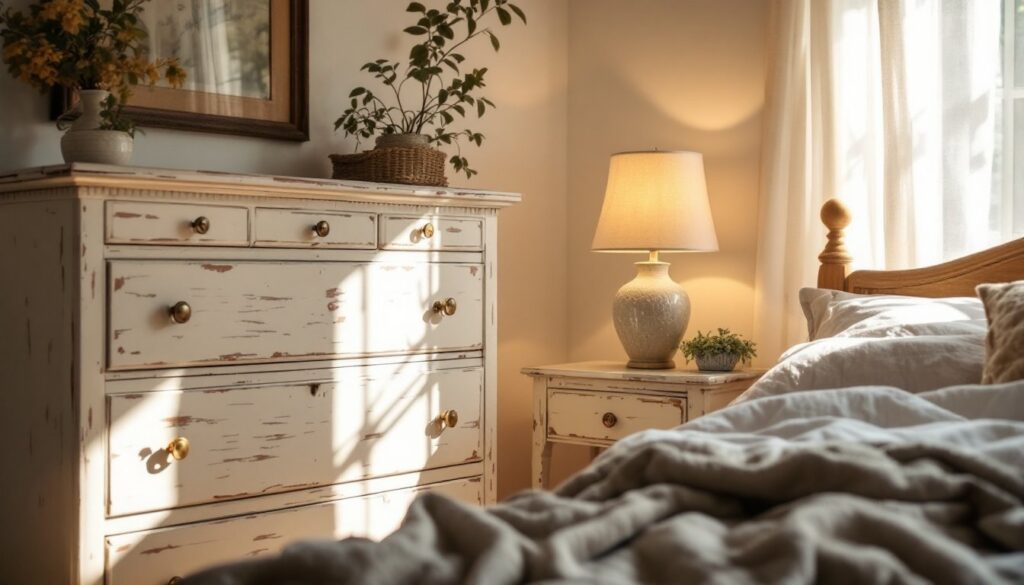
Distressed furniture refers to pieces that display visible signs of age, wear, or intentional damage. Unlike antiquing, which mimics the patina of genuine antiques, distressing is a deliberate finishing technique that creates a weathered, lived-in appearance. Common distressed finishes include chipped paint, exposed wood grain, sanded edges, and visible stains or color variations.
The key to understanding distressed furniture is that the imperfections are purposeful. Paint isn’t falling off by accident: it’s been carefully removed or strategically applied to show layers beneath. Wood edges aren’t splintered, they’ve been thoughtfully sanded to look aged. A genuine distressed piece balances visual interest with structural integrity. The furniture remains fully functional: only the finish reflects a sense of history or character.
Distressed furniture encompasses various wood types (pine, oak, birch) and paint colors. Soft neutrals like cream, sage, and gray are popular, but deeper tones like navy or forest green are gaining traction for bedroom applications.
Why Distressed Furniture Works for Modern Bedrooms
A bedroom is intimate space, and distressed furniture creates the kind of casual sophistication that makes a room feel lived-in and comfortable rather than staged. The visual texture of distressed finishes breaks up the sterile perfection that characterizes many contemporary interiors. This creates a layered, collected-over-time aesthetic that appeals to anyone tired of the sleek-but-cold minimalist trend.
Distressed pieces also forgive imperfection, which matters in a bedroom where kids, pets, or just everyday life happen. A tiny scratch on a distressed dresser? It looks intentional. A ding on the nightstand? Part of the charm. This forgiving nature removes anxiety from living with your furniture and encourages people to actually use their bedrooms rather than preserve them like museum exhibits.
From a design standpoint, distressed furniture bridges traditional and modern sensibilities. It works alongside farmhouse, rustic, eclectic, and even contemporary minimalist schemes. The worn aesthetic balances sleek metal bed frames, clean-lined lighting, or modern textiles. Distressed pieces also tend to be more affordable than equivalent new furniture, making bedroom overhauls genuinely budget-friendly.
Popular Distressed Styles and Finishes
Several distinct distressed styles have emerged in bedroom design. French Country distressed features soft, chalky finishes in whites, creams, and soft blues, often with gilded or brass hardware. This style emphasizes elegance and refinement beneath the weathering. Farmhouse distressed leans heavier, more pronounced chipping, darker stains, and a rougher overall texture. It pairs naturally with rustic metal accents and reclaimed-wood elements.
Scandinavian distressed (sometimes called “worn neutral”) strips back to bare wood in places, using muted grays, whites, and natural finishes with minimal hardware. This style feels cleaner and less overtly aged than farmhouse. Bohemian distressed mixes painted distressing with stains, layered colors, and eclectic hardware choices, it’s less about historical accuracy and more about creating visual personality.
Within these styles, finish techniques vary. Paint chipping removes paint from edges and high-traffic areas to expose wood or primer beneath. Dry brushing applies paint loosely so the base coat shows through. Staining and layering uses water-based stains to create depth. Sanding reveals grain and previous finishes, particularly effective on solid wood. Most distressed bedroom furniture combines two or three of these techniques for authentic texture.
How to Choose the Right Distressed Pieces for Your Space
Start by identifying which pieces anchor your bedroom. The bed frame, dresser, and nightstands are the big three. A distressed bed frame sets the tone for the entire room: everything else should either complement or create intentional contrast. A distressed dresser grounds the space and provides functional storage with character. Distressed nightstands flank the bed and tie the look together.
Measure your space carefully before purchasing. Distressed pieces often come from vintage or artisan sources, and sizes can be unconventional. A 48-inch dresser that looks perfect in a showroom can overwhelm a smaller bedroom. Account for door swings, window placement, and foot traffic. Write down your dimensions before shopping, don’t rely on memory or a phone photo.
Consider your color palette. If your bedroom features warm tones (warm grays, warm whites, natural wood), reach for distressed pieces in cream or tan with golden undertones. Cool-toned rooms (cool grays, cool whites) pair beautifully with pieces finished in white, pale blue, or soft green. Mixing warm and cool can work, but it requires intentional balance through textiles and decor. Evaluate lighting in your room too: cool-white LED bulbs can clash with warm distressed finishes.
Styling Tips for a Cohesive Distressed Bedroom
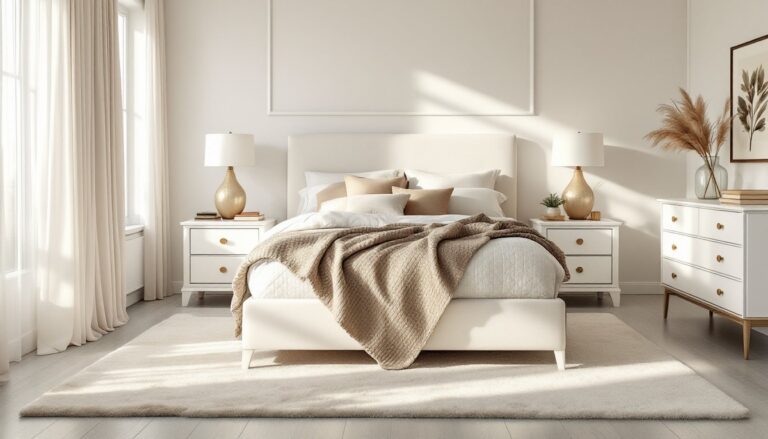
The secret to pulling off a distressed bedroom is layering. Distressed furniture provides texture and history: complementary elements should echo that without competing for attention. Use natural linens, cotton throws, and woven textures on your bed to soften the look and add tactile variety. A vintage quilt or heritage weave works better than high-gloss modern bedding.
Hardware choices reinforce your distressed style. Brass, bronze, or aged metal knobs and pulls suit most distressed pieces. Shiny chrome or polished nickel can clash with weathered finishes, so avoid those unless you’re deliberately creating modern-vintage contrast. Keep hardware understated: intricate Victorian handles fight with the simplicity that distressing celebrates.
Lighting matters tremendously. Soft, warm-toned lamp bases (ceramic, brass, or wood) complement distressed furniture better than sleek modern fixtures. Consider bedside lamps with linen shades to diffuse light warmly. Wall sconces in aged metal also reinforce the curated, collected aesthetic. Avoid task lighting that feels too utilitarian or industrial unless that’s your intentional design direction.
Wall color is equally critical. Soft, neutral walls (warm whites, pale greiges, soft creams) let distressed furniture shine. Deep wall colors work if you have enough square footage and natural light: in smaller or darker bedrooms, pale walls prevent the room from feeling cave-like. Paint can be a game-changer, and repainting walls is far easier than replacing furniture.
DIY Distressing Techniques for Budget-Friendly Updates
If you already own furniture that’s structurally sound but stylistically wrong for your bedroom, distressing can transform it affordably. The classic approach involves paint and sandpaper. Start with a primer, solid coverage ensures your topcoat adheres properly and colors remain true. Once the primer dries (follow manufacturer timing, usually 1–2 hours), apply your chosen color. Select paint formulated for furniture (acrylic latex or chalk paint) rather than wall paint, as furniture finishes require durability against handling.
Once your topcoat dries, begin distressing. Use 80- to 120-grit sandpaper on edges and high-traffic areas (corners, drawer handles, leg bottoms) to expose primer or base coat. Sand along the grain, and don’t overdo it, restraint looks more authentic than aggressive sanding. For controlled paint chipping, mask areas with painter’s tape, apply topcoat, then peel tape before the paint fully cures to reveal a clean edge underneath.
DIY distressing techniques vary by material, and staining adds depth. Water-based stains dry faster than oil-based types and allow for layering without chemical odor. Apply stain to select areas using a small brush or cloth, wiping to control intensity. Dark stain in corners and crevices creates shadows that enhance the aged appearance.
Always work in a ventilated space and wear safety glasses, a dust mask, and nitrile gloves. Sand outdoors or in a workshop if possible: primer and paint fumes require airflow. Keep a damp cloth nearby to wipe dust immediately rather than letting it settle. Allow 48 hours of full cure before using distressed furniture, even if it feels dry to the touch.
Conclusion
Distressed bedroom furniture offers authentic character and practical durability without requiring a decorator’s budget or a contractor’s timeline. Whether you purchase ready-distressed pieces or transform existing furniture using sandpaper and paint, the result is a bedroom that feels collected, comfortable, and genuinely yours. The key is intentional styling, pairing distressed pieces with complementary textiles, hardware, and lighting to create a cohesive, lived-in aesthetic. Start with one anchor piece, build from there, and don’t rush. The best bedrooms evolve gradually, reflecting the people who sleep in them.